
Why Trauma Survivors Often Struggle With Sleep and Insomnia
By Dr. Charles R. Freeman, Ph.D.
Trauma survivors often struggle with sleep because the nervous system may stay alert long after the danger has passed. Bedtime can feel unsafe when the brain connects stillness, darkness, or loss of control with threat.
This is not weakness. It is not a character flaw. It is the body trying to protect the person, even when that protection is no longer needed in the same way. Trauma can teach the nervous system to scan, brace, listen, anticipate, and prepare. Those survival responses may have made sense during the trauma. Later, they can interfere with sleep.
Sleep is one of the foundations of health. I often describe exercise, nutrition, sound sleep, and meaning or purpose as four legs of the table. When sleep is unstable, the whole table starts to wobble. For trauma survivors, poor sleep can intensify anxiety, irritability, intrusive memories, nightmares, pain sensitivity, and emotional exhaustion.
Why Does Trauma Affect Sleep?
Trauma affects sleep because it changes the way the nervous system responds to safety and threat. The body may be in a quiet bedroom, but the brain may still be watching for danger. This is often called hypervigilance. A person may hear every noise, feel every sensation, and have trouble letting go enough to fall asleep.
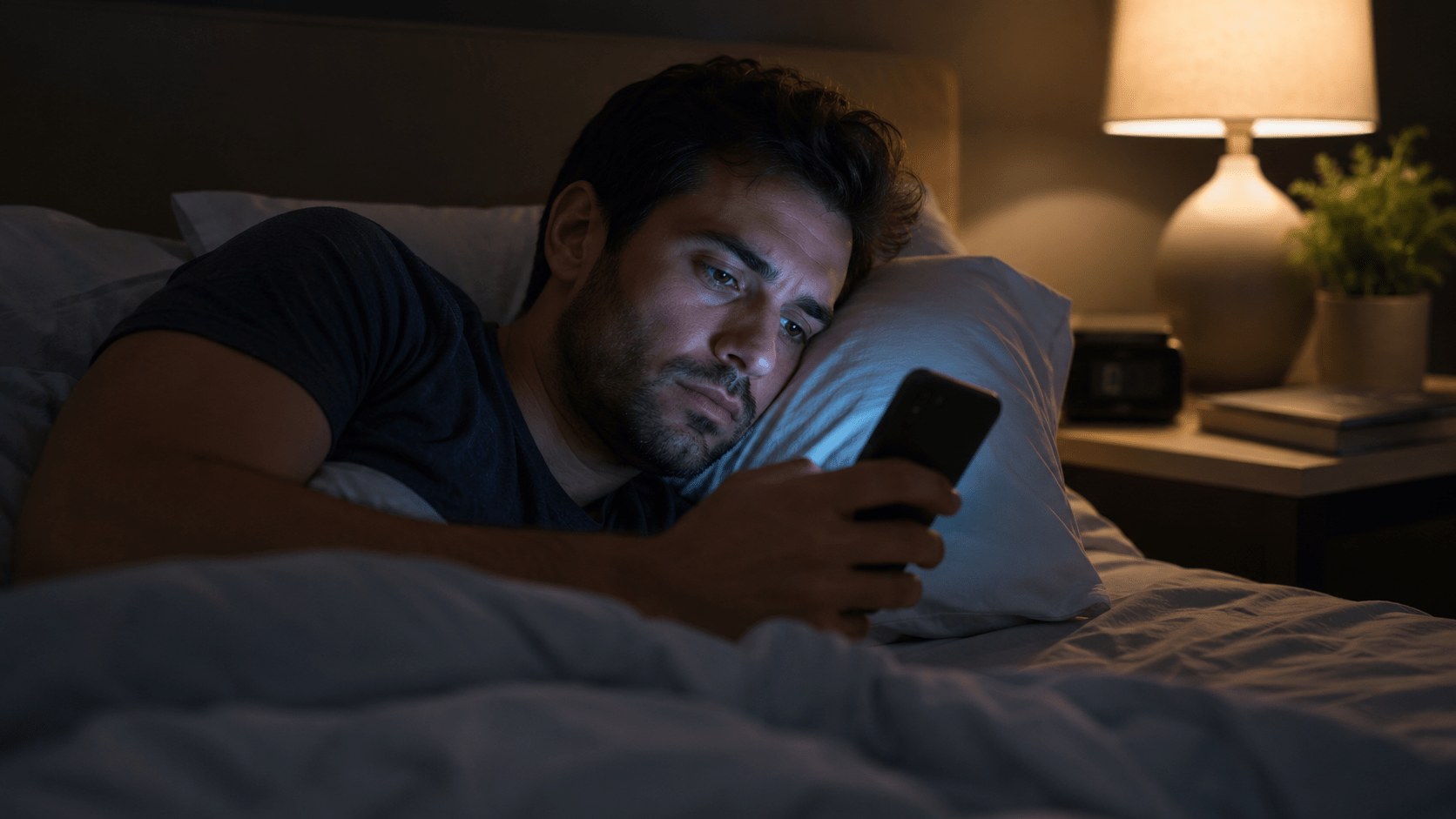
For some trauma survivors, nighttime itself feels unsafe. The darkness, silence, physical vulnerability of lying in bed, or lack of distraction can bring up old fear. For others, the bedroom is not the issue. The problem is that the mind finally has space to process what was pushed aside during the day.
The mind often rehearses at night what the person avoids feeling during the day. Grief, anger, shame, guilt, resentment, fear, and sadness may become louder when the house is quiet. The person wants sleep, but the nervous system is still working through unfinished emotional material.
Why Do Trauma Symptoms Get Worse at Night?
During the day, many trauma survivors stay busy. They work, care for family, manage responsibilities, exercise, attend appointments, or keep moving so they do not have to feel everything at once. This can look functional from the outside, but functioning is not the same as being well.
At night, the structure of the day falls away. There are fewer distractions. The nervous system may begin releasing what it has been holding. This can show up as racing thoughts, body tension, sudden anxiety, intrusive memories, or a sense of dread that seems to come out of nowhere.
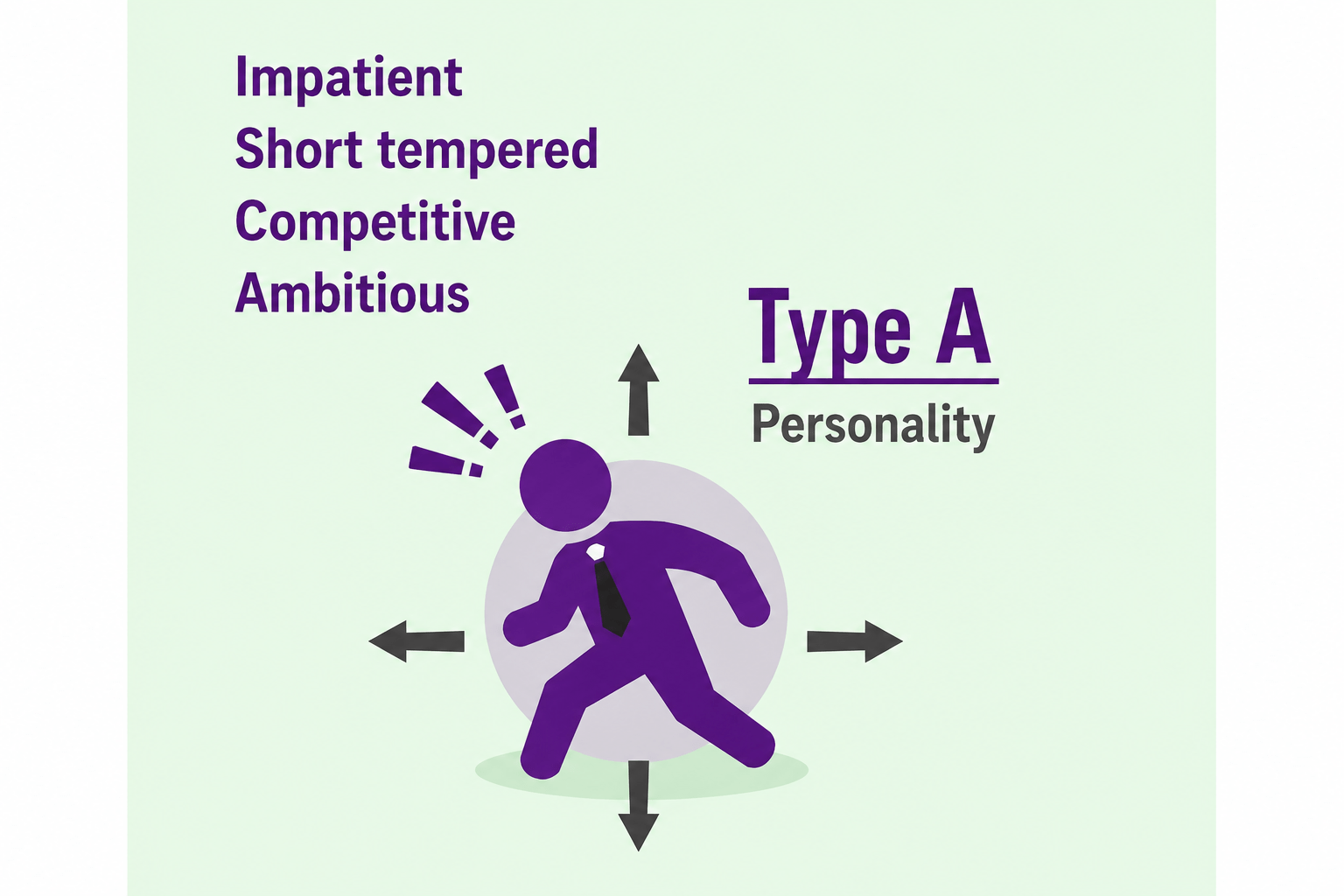
Many high-functioning trauma survivors are especially frustrated by this. A patient may say, “I can function all day, but the moment I lie down my body goes on alert.” That is a very real pattern. The same control style that helps a person survive professionally or personally can backfire at night. Sleep is not a performance. It is a biological process that improves when the person stops turning it into a test.
How Are Nightmares Connected to Trauma?
Nightmares are one of the clearest ways trauma can affect sleep. During dreaming sleep, the brain processes memory and emotion. After trauma, the brain may replay frightening images, themes, sensations, or situations. Sometimes the nightmare is a direct replay. Other times it is symbolic, but the emotional tone is the same: danger, helplessness, guilt, shame, or loss of control.
Some trauma survivors also experience panic-like awakenings or waking with a racing heart. They may not remember a dream clearly, but the body wakes as if something terrible just happened. That experience can make the person afraid to return to sleep.
Once a person becomes afraid of nightmares, insomnia can develop on top of the trauma symptoms. The person may delay bedtime, sleep lightly, use alcohol or medication to knock themselves out, or stay alert so they do not have to re-enter the dream state. These strategies are understandable, but over time they can keep the sleep problem going.
Can the Bed Become Associated With Fear and Insomnia?
Yes. The bed can become associated with fear, wakefulness, and frustration. This is especially true if the trauma happened at night or in a bedroom, but it can happen even when the trauma occurred somewhere else.
If someone spends months or years lying in bed awake, tense, frightened, or flooded with memories, the brain may begin treating the bed as a cue for alertness rather than sleep. A person may feel sleepy on the couch, then become wide awake when they get into bed. That does not mean they are broken. It means the nervous system has learned an association.
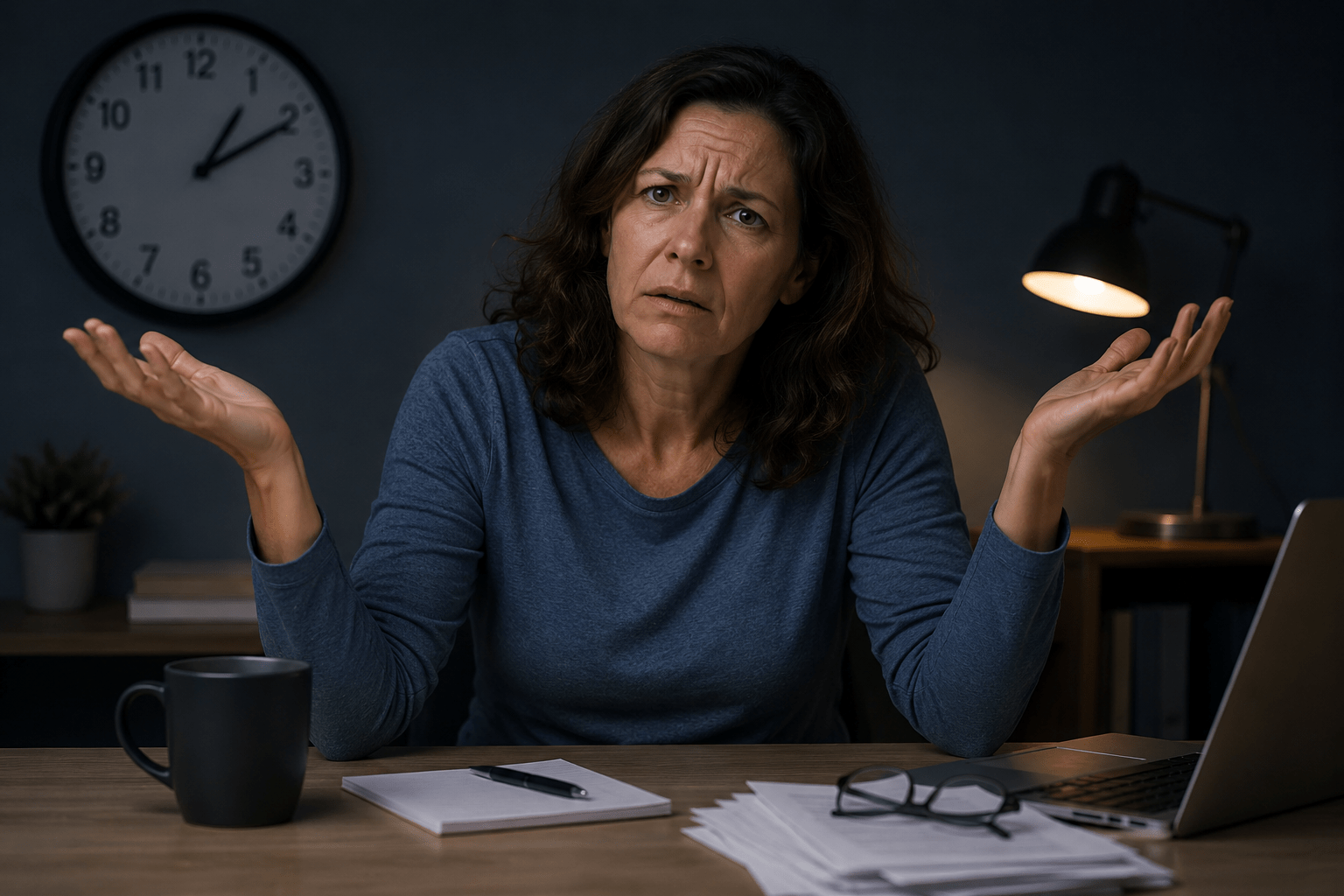
CBT-I, or Cognitive Behavioral Therapy for Insomnia, helps retrain that pattern. The goal is not simply to give the person more sleep hygiene rules. Many trauma survivors already know the basics. They need help reducing fear, conditioned arousal, clock watching, rumination, and the feeling that wakefulness is an emergency.
Why Medication Alone May Not Solve Trauma-Related Insomnia
Medication may provide short-term relief in certain situations. I am not opposed to medication when it is used responsibly and coordinated with a prescribing physician. Acute grief, medical crisis, severe destabilization, or temporary support may require medication.
The problem is that medication may sedate the body without resolving the underlying trauma response. If the nervous system still feels unsafe, sleep may remain fragile. Some patients sleep for several hours but wake exhausted, foggy, anxious, or dependent on something external to get through the night.
Insomnia is often the symptom, not the root cause. When the deeper issue is trauma, effective treatment usually needs to help the nervous system learn safety again. That may include CBT-I, EMDR, relaxation training, hypnosis, grounding skills, imagery rehearsal for nightmares, and practical work with anxiety, depression, pain, or substance use when those are part of the picture.
What I Often See in Practice
In practice, I often meet trauma survivors who are exhausted but still alert. Their body wants rest, but their nervous system refuses to let go. They may say, “I know I am safe, but my body does not believe it.” That is an important statement. Trauma recovery often involves helping the body catch up with what the mind already understands.
I also see people who have had sleep studies that did not explain the whole problem. A normal sleep study does not mean the sleep problem is not real. Sleep apnea and other medical sleep disorders need proper evaluation, but trauma-related insomnia, nightmares, sleep anxiety, and conditioned wakefulness may not show up in the same way on a sleep study.
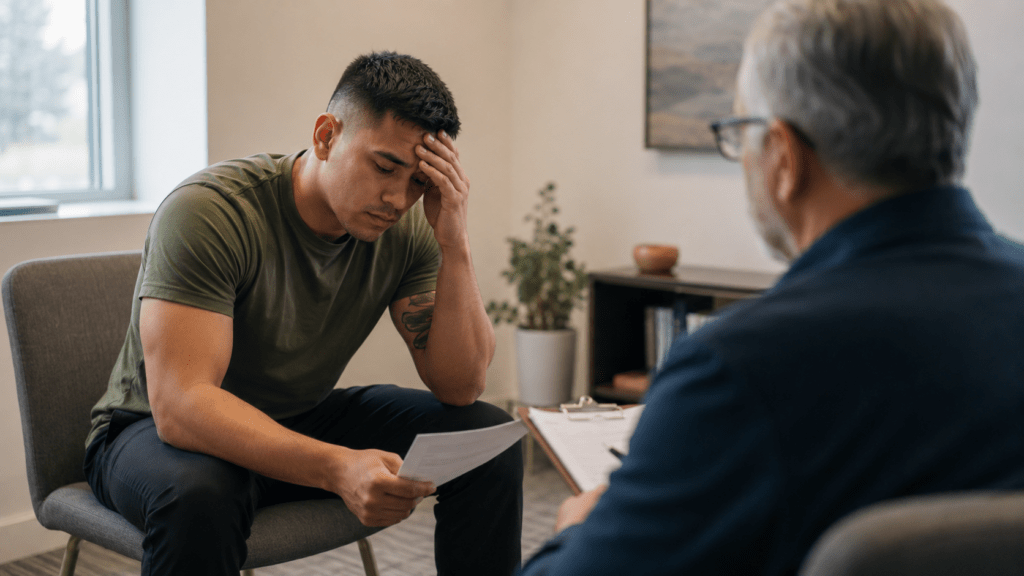
My approach is directive, collaborative, practical, and solution-focused. The patient is driving the car with their therapeutic goals, and I am the passenger helping guide the route. We work on skills, practice them, review what happened, adjust the plan, and address the deeper trauma patterns at a pace the nervous system can tolerate.
Key Takeaways
- Trauma can keep the nervous system on alert long after the danger has passed.
- Sleep problems after trauma may include insomnia, nightmares, panic awakenings, and early-morning waking.
- The bed can become associated with fear, frustration, and wakefulness.
- Medication may help temporarily, but trauma-related insomnia often requires deeper treatment.
- CBT-I, EMDR, hypnosis, grounding skills, and nightmare-focused strategies can help the nervous system relearn safety.
Frequently Asked Questions About Trauma, Sleep, and Insomnia
Why does trauma make it hard to sleep?
Trauma can keep the brain and body in a state of alertness. Even when the person is physically safe, the nervous system may continue scanning for danger, making it difficult to relax into sleep.
Can PTSD cause insomnia?
Yes. PTSD commonly affects sleep through hypervigilance, nightmares, intrusive memories, anxiety, panic awakenings, and difficulty feeling safe enough to fall asleep or stay asleep.
Why do I wake up in panic after trauma?
Waking in panic may happen when the nervous system becomes activated during sleep or dreaming. The body may respond as if danger is present, even if the person does not remember a specific nightmare.
Can EMDR help with trauma-related insomnia?
EMDR may help when traumatic memories, body sensations, or emotional triggers are contributing to insomnia or nightmares. It is often most effective when treatment also includes stabilization, grounding, and sleep-focused strategies.
Can CBT-I help trauma survivors sleep better?
Yes. CBT-I can help trauma survivors reduce conditioned wakefulness, sleep anxiety, clock watching, and fear of being awake. When trauma is a major driver, CBT-I may be combined with trauma-focused treatment.
Conclusion
Trauma survivors often struggle with sleep and insomnia because the nervous system has learned to protect them. That protection may show up as hypervigilance, nightmares, panic awakenings, or fear of letting go. The person may be safe now, but the body may still be operating under old orders.
Treatment works best when it addresses both sleep and trauma. The goal is not simply to knock someone out for the night. The goal is restorative sleep, better emotional regulation, and practical skills that help the nervous system relearn safety. When trauma is treated at the root, sleep can become less threatening and more natural again.
About the Author
 Dr. Charles R. Freeman, Ph.D., is a psychologist specializing in insomnia, sleep disorders, PTSD, anxiety, trauma, and Cognitive Behavioral Therapy for Insomnia (CBT-I). He has more than 25 years of experience helping individuals improve sleep, emotional well-being, and overall quality of life through evidence-based treatment approaches. If you would like to learn more about treatment options or schedule a consultation, please contact Dr. Freeman.
The information in this article is provided for educational purposes only and is not intended to replace professional medical or psychological advice. Individual circumstances vary, and readers should consult a qualified healthcare professional regarding their specific concerns.