Dr. Charles Freeman – San Diego Insomnia and Sleep Problems Treatment – San Diego Trauma and PTSD Treatment

Treatment for Sleep Disorders

Hypervigilance and sleep problems shown by an anxious woman scanning a dim hallway, representing trauma-related insomnia and nighttime alertness

How Hypervigilance Causes Sleep Problems and Insomnia

How Hypervigilance Causes Sleep Problems and Insomnia By Dr. Charles R. Freeman, Ph.D. Hypervigilance can cause sleep problems and insomnia because the nervous system stays on alert when it should be resting. A person may be physically safe in bed, but the brain and body may still be scanning for threat. This can lead to trouble falling asleep, waking during the night, nightmares, panic awakenings, and feeling exhausted even after spending enough time in bed. Hypervigilance means the body is watching, listening, bracing, and preparing for danger. It is common after trauma, PTSD, military service, unsafe relationships, abuse, chronic stress, medical crises, or years of living with unpredictability. The person is not weak. The nervous system learned to survive by staying ready. The problem is that survival mode does not always turn off at bedtime. Sleep requires letting go. Hypervigilance tells the body, “Do not let go yet.” Why Does Hypervigilance Get Worse at Night? At night, the world becomes quieter. There are fewer distractions. The structure of the day falls away. For some people, that is when the body starts releasing what it held in during the day: fear, anger, grief, shame, resentment, or old memories. Many people with hypervigilance function well during the day. They work, lead, parent, care for others, and handle pressure. From the outside, they may look fine. Then they get into bed and their body goes on alert. A patient may say, “I hear every sound in the house, even when I know nothing is wrong.” This is one reason insomnia is often the symptom, not the root cause. The visible problem is poor sleep. Underneath may be trauma, anxiety, PTSD, over-responsibility, pain, or a nervous system that has not learned that it is safe to rest. How Does Hypervigilance Turn Into Insomnia? Hypervigilance can train the brain to associate the bed with alertness. If someone spends months or years lying in bed tense, frustrated, watchful, or afraid, the bedroom can become connected with wakefulness instead of sleep. That is why some people feel sleepy on the couch but wide awake in bed. It does not mean the person is broken. It means the nervous system has learned a pattern. Learned patterns can be unlearned, but usually not by trying harder. Sleep does not respond well to pressure. When a person wakes at 2:00 or 3:00 a.m., the mind may start checking for danger. “Why am I awake?” “What if I cannot function tomorrow?” “What is wrong with me?” That fear response can turn a normal awakening into a long period of insomnia. What Helps Hypervigilance and Sleep Problems? Treatment needs to address both sleep and the nervous system. Sleep hygiene alone is usually not enough. A darker room, less caffeine, and a better bedtime routine may help, but they may not resolve the deeper pattern of threat scanning. CBT-I, or Cognitive Behavioral Therapy for Insomnia, is the gold-standard behavioral treatment for chronic insomnia. It helps reduce conditioned wakefulness, clock watching, catastrophic thinking, and fear of being awake. When trauma is part of the pattern, EMDR, grounding skills, hypnosis, relaxation training, and trauma-focused therapy may also be needed. Sleep is one of the foundations of health. I often describe exercise, nutrition, sound sleep, and meaning or purpose as four legs of the table. When sleep is unstable, the whole table starts to wobble. The goal is not simply to knock someone out. The goal is restorative sleep and a nervous system that can relearn safety. What I Often See in Practice I often meet patients who say, “I know I am safe, but my body does not believe it.” That is a very important distinction. Trauma recovery and insomnia treatment often involve helping the body catch up with what the mind already understands. My approach is directive, collaborative, practical, and solution-focused. We identify what is keeping the nervous system activated, create a plan, practice specific tools, review what happened, and adjust treatment as needed. The goal is for patients to develop skills they can use for the rest of their lives, rather than relying only on medication or willpower. Key Takeaways Hypervigilance keeps the nervous system on alert when it should be resting. It can cause insomnia, nightmares, panic awakenings, and non-restorative sleep. The bed can become associated with fear, frustration, and wakefulness. CBT-I can help retrain sleep patterns, especially when combined with trauma treatment when needed. Recovery often begins when wakefulness stops feeling like an emergency. Frequently Asked Questions About Hypervigilance and Sleep Problems What is hypervigilance? Hypervigilance is a state of increased alertness in which the brain and body scan for possible danger. It is common after trauma, PTSD, chronic stress, or prolonged exposure to unsafe situations. Can hypervigilance cause insomnia? Yes. Hypervigilance can make it difficult to fall asleep or stay asleep because the nervous system remains activated. The person may feel tired but unable to fully let go. Why do I wake up alert in the middle of the night? Middle-of-the-night alertness can happen when the body interprets wakefulness as a threat. Clock checking, worrying, and scanning for danger can keep the nervous system activated. Can CBT-I help with hypervigilance-related insomnia? Yes. CBT-I can reduce conditioned wakefulness, sleep anxiety, and fear of being awake. If trauma is driving the hypervigilance, CBT-I may work best alongside EMDR or trauma-focused therapy. Conclusion Hypervigilance and sleep problems are closely connected. When the nervous system is still trying to protect you, sleep can feel unsafe even in a quiet bedroom. The solution is not simply to try harder to sleep. The solution is to help the body relearn safety, reduce conditioned arousal, and rebuild trust in natural sleep. With the right treatment, sleep can become less of a battle and more of a restorative process again. About the Author Dr. Charles R. Freeman, Ph.D., is a psychologist specializing in insomnia, sleep disorders, PTSD, anxiety, trauma, and Cognitive Behavioral Therapy for Insomnia (CBT-I). He has more than 25 years of experience helping individuals improve

How Hypervigilance Causes Sleep Problems and Insomnia Read More »

A man suffering from sleep deprivation

Sleep Deprivation: Why One Bad Night Isn’t a Crisis

Sleep Deprivation: Why One Bad Night Isn’t a Crisis By Dr. Charles R. Freeman, Ph.D. Sleep deprivation can affect mood, concentration, energy, and overall health. However, many people with insomnia overestimate how little sleep they actually get and underestimate their ability to function after a poor night’s sleep. While chronic sleep deprivation deserves attention, one bad night is often less damaging than people fear. Many people become trapped in a cycle where anxiety about sleep becomes as problematic as the sleep loss itself. Learning to view occasional sleep disruption more realistically can reduce stress and improve both sleep and daytime functioning. If you’ve ever looked at the clock at 3 a.m., 4 a.m., and 5 a.m. and then dragged yourself through the next day, you’ve probably worried about sleep deprivation. Many people assume that a poor night’s sleep automatically means they will have a miserable day. They expect severe fatigue, poor concentration, irritability, and reduced performance. While sleep deprivation certainly affects the body and mind, the reality is often more nuanced. One of the most common observations in sleep medicine is that people with insomnia frequently sleep more than they believe they do. They remember every awakening but forget many periods of light sleep that occurred throughout the night. As a result, they often conclude they barely slept at all when they actually obtained more rest than they realized. What Is Sleep Deprivation? Sleep deprivation occurs when you consistently obtain less sleep than your body requires for optimal functioning. Most adults need approximately seven to nine hours of sleep each night. However, individual needs vary. Some people function well with slightly less sleep, while others need more. There is an important difference between occasional sleep loss and chronic sleep deprivation. Missing a few hours of sleep during a stressful week is very different from spending months or years struggling with insomnia. Unfortunately, many people treat these situations as if they are identical. What Are the Symptoms of Sleep Deprivation? Common symptoms of sleep deprivation include fatigue, daytime sleepiness, reduced concentration, memory difficulties, irritability, increased anxiety, slower reaction time, reduced motivation, and greater emotional sensitivity. These symptoms often become more noticeable when sleep loss accumulates over time. After a single poor night of sleep, however, many people function much better than they expect. In some cases, the anticipation of feeling terrible creates more distress than the actual sleep loss itself. Why Many People Overestimate Sleep Deprivation One reason insomnia becomes so frustrating is that the brain tends to remember periods of wakefulness much more vividly than periods of sleep. You remember looking at the clock, tossing and turning; you remember feeling frustrated. What you often do not remember are the numerous periods of light sleep that occurred throughout the night. In sleep laboratories, it is common for patients to report sleeping only a few hours when objective monitoring shows significantly more sleep. This disconnect between perception and reality can increase anxiety and reinforce insomnia. The Effects of Lack of Sleep on Mental Health Sleep and mental health are deeply connected. Poor sleep can increase anxiety, stress sensitivity, irritability, symptoms of depression, and emotional reactivity. At the same time, mental health challenges often contribute to insomnia. Anxiety, trauma, PTSD, grief, chronic stress, and depression frequently interfere with sleep. In many cases, insomnia is not the root problem but a symptom of something deeper that requires attention. This is one of the most important principles I teach patients. When the underlying causes remain untreated, sleep often continues to suffer regardless of how many sleep aids a person tries. Why Catastrophizing Sleep Loss Makes Things Worse Many people wake up after a poor night’s sleep and immediately begin predicting the worst. They may assume they will be exhausted all day, unable to think clearly, perform poorly at work, or struggle through another sleepless night. These thoughts increase stress hormones and activate the nervous system. As anxiety rises, sleep often becomes more difficult, creating a self-perpetuating cycle in which fear about sleep contributes to additional sleep problems. One of the goals of Cognitive Behavioral Therapy for Insomnia (CBT-I) is to help people develop a more balanced and realistic perspective about sleep. CBT-I is considered the gold standard treatment for chronic insomnia because it addresses both the behavioral and psychological factors that maintain sleep difficulties. Understanding Sleep Debt Sleep debt refers to the cumulative effects of repeatedly getting less sleep than your body needs. If you consistently need eight hours of sleep but regularly get only six, that deficit can accumulate over time. Sleep debt may contribute to poor concentration, mood disturbances, lower productivity, increased reliance on caffeine, and greater vulnerability to stress. An important point is that sleep debt develops gradually. A single poor night of sleep does not automatically create a serious problem. Most healthy individuals can tolerate occasional sleep disruption remarkably well without experiencing significant long-term consequences. Can You Recover From Sleep Deprivation? Yes. For most people, recovery begins by returning to healthy sleep habits rather than trying to force extra sleep. Helpful strategies include maintaining a consistent wake time, exercising regularly, limiting alcohol use, reducing excessive caffeine consumption, practicing relaxation techniques, and addressing underlying stressors. One common mistake is spending excessive time in bed trying to catch up on lost sleep. This often increases frustration and can worsen insomnia. A more effective approach is to return to a healthy routine and allow the body’s natural sleep drive to do its job. Can You Die From Sleep Deprivation? This is a surprisingly common question. Severe and prolonged sleep deprivation can have serious consequences for physical and mental health. However, most people searching this question are not experiencing the extreme sleep loss described in rare medical cases. The average person with insomnia is usually obtaining more sleep than they believe. The greater concern is chronic sleep disruption over many months or years, particularly when it is accompanied by anxiety, depression, trauma, chronic stress, or reliance on sleep medications without addressing the underlying causes. What I Often See in Practice Many patients arrive believing their lives are controlled by sleep. They monitor every

Sleep Deprivation: Why One Bad Night Isn’t a Crisis Read More »

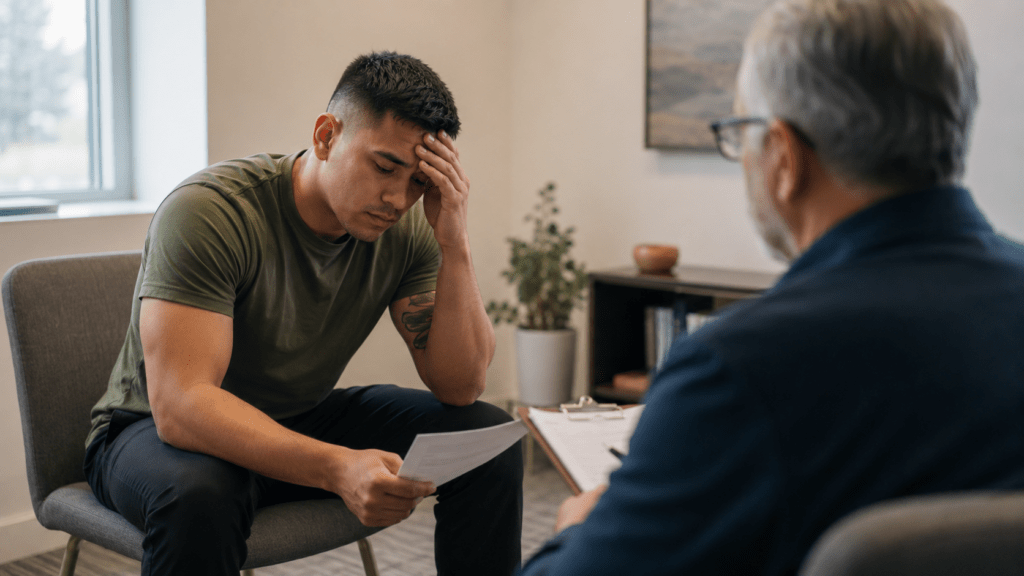
Trauma survivor speaking with a therapist in a calm office, representing trauma-related insomnia, hypervigilance, and sleep recovery

Why Trauma Survivors Often Struggle With Sleep and Insomnia

Why Trauma Survivors Often Struggle With Sleep and Insomnia By Dr. Charles R. Freeman, Ph.D. Trauma survivors often struggle with sleep because the nervous system may stay alert long after the danger has passed. Bedtime can feel unsafe when the brain connects stillness, darkness, or loss of control with threat. This is not weakness. It is not a character flaw. It is the body trying to protect the person, even when that protection is no longer needed in the same way. Trauma can teach the nervous system to scan, brace, listen, anticipate, and prepare. Those survival responses may have made sense during the trauma. Later, they can interfere with sleep. Sleep is one of the foundations of health. I often describe exercise, nutrition, sound sleep, and meaning or purpose as four legs of the table. When sleep is unstable, the whole table starts to wobble. For trauma survivors, poor sleep can intensify anxiety, irritability, intrusive memories, nightmares, pain sensitivity, and emotional exhaustion. Why Does Trauma Affect Sleep? Trauma affects sleep because it changes the way the nervous system responds to safety and threat. The body may be in a quiet bedroom, but the brain may still be watching for danger. This is often called hypervigilance. A person may hear every noise, feel every sensation, and have trouble letting go enough to fall asleep. For some trauma survivors, nighttime itself feels unsafe. The darkness, silence, physical vulnerability of lying in bed, or lack of distraction can bring up old fear. For others, the bedroom is not the issue. The problem is that the mind finally has space to process what was pushed aside during the day. The mind often rehearses at night what the person avoids feeling during the day. Grief, anger, shame, guilt, resentment, fear, and sadness may become louder when the house is quiet. The person wants sleep, but the nervous system is still working through unfinished emotional material. Why Do Trauma Symptoms Get Worse at Night? During the day, many trauma survivors stay busy. They work, care for family, manage responsibilities, exercise, attend appointments, or keep moving so they do not have to feel everything at once. This can look functional from the outside, but functioning is not the same as being well. At night, the structure of the day falls away. There are fewer distractions. The nervous system may begin releasing what it has been holding. This can show up as racing thoughts, body tension, sudden anxiety, intrusive memories, or a sense of dread that seems to come out of nowhere. Many high-functioning trauma survivors are especially frustrated by this. A patient may say, “I can function all day, but the moment I lie down my body goes on alert.” That is a very real pattern. The same control style that helps a person survive professionally or personally can backfire at night. Sleep is not a performance. It is a biological process that improves when the person stops turning it into a test. How Are Nightmares Connected to Trauma? Nightmares are one of the clearest ways trauma can affect sleep. During dreaming sleep, the brain processes memory and emotion. After trauma, the brain may replay frightening images, themes, sensations, or situations. Sometimes the nightmare is a direct replay. Other times it is symbolic, but the emotional tone is the same: danger, helplessness, guilt, shame, or loss of control. Some trauma survivors also experience panic-like awakenings or waking with a racing heart. They may not remember a dream clearly, but the body wakes as if something terrible just happened. That experience can make the person afraid to return to sleep. Once a person becomes afraid of nightmares, insomnia can develop on top of the trauma symptoms. The person may delay bedtime, sleep lightly, use alcohol or medication to knock themselves out, or stay alert so they do not have to re-enter the dream state. These strategies are understandable, but over time they can keep the sleep problem going. Can the Bed Become Associated With Fear and Insomnia? Yes. The bed can become associated with fear, wakefulness, and frustration. This is especially true if the trauma happened at night or in a bedroom, but it can happen even when the trauma occurred somewhere else. If someone spends months or years lying in bed awake, tense, frightened, or flooded with memories, the brain may begin treating the bed as a cue for alertness rather than sleep. A person may feel sleepy on the couch, then become wide awake when they get into bed. That does not mean they are broken. It means the nervous system has learned an association. CBT-I, or Cognitive Behavioral Therapy for Insomnia, helps retrain that pattern. The goal is not simply to give the person more sleep hygiene rules. Many trauma survivors already know the basics. They need help reducing fear, conditioned arousal, clock watching, rumination, and the feeling that wakefulness is an emergency. Why Medication Alone May Not Solve Trauma-Related Insomnia Medication may provide short-term relief in certain situations. I am not opposed to medication when it is used responsibly and coordinated with a prescribing physician. Acute grief, medical crisis, severe destabilization, or temporary support may require medication. The problem is that medication may sedate the body without resolving the underlying trauma response. If the nervous system still feels unsafe, sleep may remain fragile. Some patients sleep for several hours but wake exhausted, foggy, anxious, or dependent on something external to get through the night. Insomnia is often the symptom, not the root cause. When the deeper issue is trauma, effective treatment usually needs to help the nervous system learn safety again. That may include CBT-I, EMDR, relaxation training, hypnosis, grounding skills, imagery rehearsal for nightmares, and practical work with anxiety, depression, pain, or substance use when those are part of the picture. What I Often See in Practice In practice, I often meet trauma survivors who are exhausted but still alert. Their body wants rest, but their nervous system refuses to let go.

Why Trauma Survivors Often Struggle With Sleep and Insomnia Read More »

Open beer bottle and glass of beer showing how alcohol affects sleep quality and causes fatigue

Why Does Alcohol Make Me Sleepy? The Truth About Alcohol and Sleep

Why Does Alcohol Make Me Sleepy? The Truth About Alcohol and Sleep By Dr. Charles R. Freeman, Ph.D. Some of you might be wondering, “Why does alcohol make me sleepy?” Alcohol makes you sleepy because it acts as a sedative and slows activity in the brain and nervous system. While this may help you fall asleep faster, alcohol often disrupts sleep quality later in the night. It decreases deep restorative sleep, increases nighttime awakenings, worsens breathing problems during sleep, and can leave you feeling tired, irritable, and mentally foggy the next day. Alcohol affects neurotransmitters in the brain that regulate alertness, relaxation, and sleep. As alcohol enters the bloodstream, it slows activity in the central nervous system. This creates feelings of calmness, relaxation, and drowsiness. That is why many people feel sleepy after drinking. The problem is that alcohol-induced sedation is not the same as healthy, restorative sleep. Falling asleep quickly may seem like a benefit, but what happens during the rest of the night is what truly determines how rested you feel the next day. How Does Alcohol Affect Sleep? Alcohol affects sleep in several important ways. It can reduce deep restorative sleep, increase lighter stages of sleep, cause more nighttime awakenings, increase restlessness, worsen snoring, and disrupt normal sleep architecture. Deep sleep is particularly important because it supports physical recovery, immune function, and overall restoration. When alcohol reduces deep sleep, people often wake up feeling far less refreshed than they expected. This is one reason many individuals feel exhausted after a night of drinking even when they have spent enough hours in bed. Does Alcohol Help You Sleep or Just Make You Sleepy? This is one of the most common misconceptions about alcohol and sleep. Alcohol may help you fall asleep faster, but it generally does not help you sleep better. Many people mistake sedation for sleep. The two are not the same. Healthy sleep involves cycling through multiple sleep stages that support emotional regulation, memory consolidation, physical recovery, and cognitive functioning. Alcohol interferes with these normal sleep processes. As a result, people often sleep more poorly than they realize. Can Alcohol Keep You Awake Later in the Night? Yes. Although alcohol initially makes people sleepy, it can contribute to awakenings later in the night. As alcohol is metabolized, its sedating effects begin to wear off. Many people experience early morning awakenings, restless sleep, difficulty returning to sleep, increased anxiety during the night, or frequent trips to the bathroom. This is why some people ask, “Why does alcohol keep me awake all night?” The answer is that alcohol often creates fragmented sleep. It may help you fall asleep more quickly, but it frequently interferes with your ability to stay asleep and maintain restful sleep throughout the night. Why Am I Tired the Next Day After Drinking Alcohol ? Many people wonder why they feel tired the day after drinking alcohol. The answer often comes down to sleep quality. Although alcohol may make it easier to fall asleep, it can interfere with the restorative processes that normally occur during the night. Alcohol-related fatigue may result from reduced deep sleep, more frequent nighttime awakenings, breathing disruptions, dehydration, and increased physiological stress on the body. As a result, people often experience fatigue, irritability, poor concentration, brain fog, reduced energy, and slower thinking the following day. Many individuals remember falling asleep easily but do not realize how disrupted their sleep became throughout the night. Can Alcohol Worsen Sleep Apnea? Alcohol affects more than sleep quality. It also affects breathing. Alcohol suppresses the respiratory center of the brain and relaxes the muscles that help keep the airway open. As a result, alcohol can worsen sleep apnea and increase breathing disruptions during sleep. Many people who snore or have untreated sleep apnea notice significantly poorer sleep quality after drinking alcohol, particularly in the evening. Even individuals who do not have a formal sleep apnea diagnosis may experience more breathing disturbances after consuming alcohol. What I Often See in Practice Many patients come to treatment focused entirely on what happens at bedtime. As treatment progresses, they begin to recognize how daytime behaviors affect sleep. Alcohol is often one of those factors. Patients are frequently surprised by how much better they sleep after reducing or eliminating alcohol, particularly in the evening. They report feeling more rested, thinking more clearly, and having more energy during the day. The goal is not simply to fall asleep. The goal is restorative sleep. Those are very different outcomes. One of the themes I frequently discuss with patients is that insomnia is often the symptom rather than the root cause. Anxiety, stress, trauma, PTSD, grief, unhealthy sleep habits, and lifestyle factors frequently contribute to sleep difficulties. Simply sedating the brain rarely addresses those underlying issues. Key Takeaways Alcohol makes you sleepy because it acts as a sedative. Sedation is not the same as healthy sleep. Alcohol reduces deep restorative sleep. Alcohol increases nighttime awakenings and sleep fragmentation. Alcohol can worsen sleep apnea and breathing problems. Many people feel tired after drinking because sleep quality suffers. Long-term sleep improvement usually comes from addressing underlying causes rather than relying on alcohol for sleep. Frequently Asked Questions Why does alcohol make me sleepy? Alcohol slows activity in the brain and nervous system, creating feelings of relaxation and drowsiness. How does alcohol affect sleep? Alcohol reduces deep sleep, increases lighter sleep stages, causes more awakenings, and can worsen breathing problems during sleep. Does alcohol help you sleep? Alcohol may help you fall asleep faster, but it generally decreases sleep quality and restorative sleep. Can alcohol keep you awake? Yes. As alcohol is metabolized during the night, it can contribute to early awakenings and restless sleep. Why am I tired after drinking alcohol the next day? Alcohol disrupts restorative sleep, which can lead to fatigue, irritability, poor concentration, and reduced energy the following day. Conclusion Alcohol may make you feel sleepy, but that does not mean it is helping you sleep well. In many cases, alcohol creates lighter, less restorative sleep and contributes to next-day fatigue, irritability, and mental fogginess. If you regularly rely on alcohol to help you sleep,

Why Does Alcohol Make Me Sleepy? The Truth About Alcohol and Sleep Read More »

Peaceful bedroom with warm morning light and mountain views, representing natural sleep improvement through CBT-I without medication

Can CBT-I Help You Sleep Without Medication?

Can CBT-I Help You Sleep Without Medication? By Dr. Charles R. Freeman, Ph.D. Yes, Cognitive Behavioral Therapy for Insomnia, or CBT-I, can help many people sleep with less reliance on medication. CBT-I teaches the brain and body how to return to natural sleep by changing the thoughts, behaviors, habits, and nervous-system patterns that keep insomnia going. Medication may help temporarily, but CBT-I addresses the causes of chronic insomnia rather than only sedating the symptom. That distinction is important. I do not tell patients to suddenly stop medication. Sleep medications, benzodiazepines, antidepressants, and other prescriptions should only be changed in coordination with the prescribing physician. My role is to help patients build skills so sleep does not depend entirely on an external substance. Many people start taking something for sleep during a difficult season: grief, trauma, anxiety, medical stress, work pressure, divorce, caregiving, or a period of major life disruption. At first, the medication may help. Over time, some patients begin needing more support from pills, supplements, alcohol, or strict rituals. They may sleep, but the sleep does not feel restorative. They may also start believing, “I cannot sleep on my own anymore.” What Is CBT-I? CBT-I is a structured treatment for chronic insomnia. It is not simply sleep hygiene, relaxation, or positive thinking. It is a practical method for retraining the sleep system. CBT-I looks at what the person does before bed, how much time they spend awake in bed, how they respond to nighttime awakenings, what they believe about sleep, and how much fear has become attached to not sleeping. In chronic insomnia, the bed often becomes associated with effort, frustration, clock watching, and fear. A person may feel sleepy in the living room, then become wide awake the moment they get into bed. That does not mean they are broken. It means the nervous system has learned a pattern. CBT-I helps change that pattern. Why Medication Alone Often Does Not Solve Chronic Insomnia Medication can sometimes provide short-term relief. The problem is that chronic insomnia is often the symptom, not the root cause. Underneath the sleep problem may be anxiety, trauma, PTSD, pain, depression, grief, over-responsibility, perfectionism, or a learned fear of being awake. Sedation and healthy sleep are not the same thing. Restorative sleep supports memory, mood, emotional processing, immune function, concentration, and physical recovery. Some patients describe medication-induced sleep as “fake sleep.” They were unconscious, but they wake up foggy, unrefreshed, anxious, or still afraid of the next night. CBT-I works differently. Instead of trying to knock the body out, it helps reduce the arousal that keeps the brain awake. It also helps patients rebuild confidence that their body can sleep naturally again. What Is CBT-I Not? CBT-I is not a list of generic tips. Many patients already know to keep the room dark, avoid caffeine late in the day, reduce screens, and maintain a consistent schedule. Those habits can help, but they are usually not enough when insomnia has become chronic. CBT-I is also not willpower. Patients with insomnia are often trying very hard already. In fact, trying harder can make sleep worse. Sleep does not respond well to pressure. The more a person tries to force sleep, the more the brain treats bedtime as a performance test. CBT-I is not about blaming the patient either. It is about identifying the patterns that are keeping the nervous system activated and then changing them in a careful, practical way. How Does CBT-I Help You Sleep Without Medication? CBT-I helps by addressing conditioned arousal. Conditioned arousal means the brain has learned to connect bed, bedtime, or nighttime waking with alertness. The person may begin monitoring sleep, checking the clock, predicting failure, and worrying about the next day. A normal awakening becomes an emergency. CBT-I teaches a different response. The patient learns how to reduce clock watching, decrease catastrophic thoughts, improve sleep timing, and stop reinforcing wakefulness in bed. Over time, the bed can become a cue for sleep again instead of a cue for effort. One of the most important shifts is changing the relationship with wakefulness. Waking up during the night does not mean the night is ruined. A bad night does not mean the body has failed. When the patient stops reacting to wakefulness as a crisis, the nervous system often settles more quickly. Can CBT-I Help If You Have Taken Sleep Medication for Years? Many people can improve after years of relying on sleep aids, but the process needs to be handled responsibly. If medication has been used for a long time, especially benzodiazepines or sedative hypnotics, any change should be coordinated with the prescribing physician. Stopping suddenly can be unsafe. The psychological work matters just as much. Long-term medication use can unintentionally teach the patient that natural sleep is impossible. CBT-I helps challenge that belief. The goal is not to rip away support before the person is ready. The goal is to build enough skill and confidence that sleep becomes less dependent on medication over time. What Happens During CBT-I Treatment? My approach is directive, collaborative, practical, and solution-focused. You are driving the car with your therapeutic goals, and I am the passenger helping guide the route. We look at what is maintaining the insomnia, create a treatment plan, assign practical homework, review what happened, fine-tune the tools, and continue adjusting until the changes become more sustainable. Treatment may include sleep scheduling, stimulus control, cognitive restructuring, relaxation training, hypnosis, guided imagery, breathing skills, and strategies for reducing sleep anxiety. If trauma, PTSD, nightmares, or hypervigilance are involved, treatment may also include EMDR or other trauma-focused work. If pain or medical symptoms are involved, we may coordinate with physicians or other specialists. CBT-I is not passive. The patient has to practice. The more energy the patient puts into the process, the more they usually get out of it. The goal is to leave the patient with tools they can use for the rest of their life. What I Often See in Practice I

Can CBT-I Help You Sleep Without Medication? Read More »

Woman waking up refreshed and energized after improving sleep through Cognitive Behavioral Therapy (CBT) and healthy sleep habits.

How Changing Your Behaviors Changes Your Sleep

How Changing Your Behaviors Changes Your Sleep By Charles R. Freeman, Ph.D. You might be wondering, is it true that changing your behavior can affect your sleep?  And the answer is “yes,” this result can be achieved by applying Cognitive Behavioral Therapy (CBT). CBT includes changing thoughts and behaviors around health, sleep, anxiety, depression, etc. Let’s say you tell yourself “I have to sleep tonight, or I’ll have a horrible night” or “I didn’t sleep last night, I HAVE to sleep well tonight.” You’ll have more positive results if you change these negative thoughts with Positive Psychology and mantras into what you WANT to manifest. I often start by teaching my patients and clients the correct behaviors around sleep (Sleep Hygiene) like: no alcohol right before sleep cool and dark enough room winding down prior to sleep Correct sleep hygiene behaviors are all over the internet and they are very helpful. By itself, it’s not sufficient for you to obtain sound sleep. In my practice, I also incorporate hypnosis and other energy work to heal a variety of health challenges. Insomnia is just the tip of the iceberg, it’s simply a symptom. The underlying issue might be trauma, complex types of anxiety conditions, depression, Type-A behavior, burning it at both ends and an unwillingness to wind-down prior to bed. It might also be grief and loss, and medical conditions like pain, thyroid over/under activation, CFS/Fibro, Lyme’s disease, Cancer, and more. I’ve had extensive positive results using these techniques as a psychologist and a wellness and executive coach. I’ve worked with executives going through all the above issues to create more balance and joy, and less anxiety, anger, and depression. This results in improved mental clarity and productivity, and an overall increase in the quality of life. About the Author Dr. Charles R. Freeman, Ph.D., is a psychologist specializing in insomnia, sleep disorders, PTSD, anxiety, trauma, and Cognitive Behavioral Therapy for Insomnia (CBT-I). He has more than 25 years of experience helping individuals improve sleep, emotional well-being, and overall quality of life through evidence-based treatment approaches. If you would like to learn more about treatment options or schedule a consultation, please contact Dr. Freeman. The information in this article is provided for educational purposes only and is not intended to replace professional medical or psychological advice. Individual circumstances vary, and readers should consult a qualified healthcare professional regarding their specific concerns.

How Changing Your Behaviors Changes Your Sleep Read More »

Middle-aged woman sleeping peacefully as a result of therapy for sleep without medication

Can Therapy Help You Sleep Without Medication?

Can Therapy Help You Sleep Without Medication? By Dr. Charles R. Freeman, Ph.D. Yes, therapy can help many people sleep without relying solely on medication, especially when insomnia is being driven by anxiety, trauma, stress, pain, rumination, sleep fear, or learned patterns of nighttime alertness. Medication may provide short-term relief, but therapy addresses the patterns that keep insomnia going. That does not mean everyone should abruptly stop taking sleep medication. Medication changes should always be discussed with the prescribing physician. The goal of therapy is different. Therapy helps you understand why your sleep system feels stuck and teaches practical skills so your mind and body can become more confident about sleep again. Many people who struggle with sleep are not doing anything “wrong.” They are often working hard, taking care of others, functioning at work, and holding themselves together during the day. Then, when the house is quiet and the lights are off, the nervous system finally shows how much pressure it has been carrying. Why Doesn’t Medication Always Solve Insomnia? Sleep medication can be useful in certain situations, especially during an acute crisis, grief, medical stress, or a short period of severe disruption. The difficulty is that chronic insomnia often continues because the nervous system has learned to associate bedtime with alertness, fear, frustration, or pressure. Many people come to therapy after trying several sleep aids, supplements, prescriptions, podcasts, apps, special pillows, strict routines, and late-night internet searches. They are not careless. They are exhausted and trying to function. Underneath the practical problem is often a painful question: “What if my body cannot sleep on its own anymore?” That fear matters. When you begin to fear the bed, the clock, the next workday, or the feeling of being awake at 3 a.m., insomnia becomes more than a sleep problem. It becomes a conditioned alarm response. Medication may sedate the body, but sedation is not the same as restorative sleep. Restorative sleep requires the nervous system to stand down. What Kind of Therapy Helps to Sleep Without Medication? Cognitive Behavioral Therapy for Insomnia, or CBT-I, is the gold standard behavioral treatment for chronic insomnia. CBT-I is not simply sleep hygiene. Most people with chronic insomnia already know the basics: keep the room dark, reduce caffeine, avoid screens, and keep a consistent schedule. Those steps may help, but they are often not enough. CBT-I looks at the thoughts, behaviors, timing, and nervous-system patterns that keep insomnia active. It may include sleep scheduling, stimulus control, sleep restriction, reducing clock watching, changing catastrophic thoughts about sleep, and helping the bed become associated with rest again instead of struggle. Therapy may also include trauma treatment, EMDR, relaxation training, hypnosis, breathing skills, guided imagery, sensory grounding, cognitive reframing, and work on anxiety or emotional suppression. The right treatment depends on what is actually keeping the person awake. I want to know whether the insomnia is connected to grief, work pressure, pain, PTSD, anger, relationship stress, perfectionism, or years of overfunctioning. Why Does Trying Harder to Sleep Make Things Worse? Sleep is not a performance. It is a biological process that works best when the brain stops turning bedtime into a test. The harder a person tries to force sleep, the more the nervous system learns that wakefulness is dangerous. This is especially common in high-functioning people. The same discipline, analysis, problem-solving, and control that help someone succeed during the day can keep the brain activated at night. The person lies in bed trying to solve sleep. They monitor the clock, calculate how many hours are left, predict tomorrow’s failure, and judge the body for not cooperating. In therapy, we work on changing that relationship with wakefulness. The first target is often not sleep itself, but fear of not sleeping. When a person learns to wake up without escalating into panic, checking, self-criticism, or catastrophic predictions, sleep often becomes less brittle. Can Therapy Help If Trauma or PTSD Is Affecting Sleep? Yes. Trauma often shows up most clearly at night. A person may not have obvious flashbacks during the day, but may experience early-morning waking, nightmares, body tension, irritability, shame, anger, or a feeling that the body cannot stand down. After trauma, the nervous system may continue operating as if danger is nearby, even when life is objectively safer now. Some people were harmed at night. Some grew up in homes where conflict, criticism, or emotional unpredictability made rest feel unsafe. Some carried responsibility too early in life and learned to stay alert because relaxing did not feel wise. In these situations, sleeping pills may become an attempt to override a survival system that is still on guard. Therapy helps the nervous system learn safety again. Trauma-focused treatment needs pacing. EMDR and related approaches can be helpful, but patients also need grounding, stabilization, recovery skills, and a practical plan for what to do when symptoms intensify. What If I Wake Up in the Middle of the Night? Middle-of-the-night awakening is one of the most common problems I see. Many people fall asleep fairly well, then wake at 2 or 3 a.m. in a state of alertness. They may feel panic, pain, guilt, resentment, or a rush of planning. The effort to get back to sleep can become more disruptive than the awakening itself. Therapy teaches a different response. Waking up does not mean the night is ruined. A bad night does not mean treatment failed. Recovery often begins when the person stops treating every awakening as an emergency. For many patients, wakefulness is not the enemy. Panic about wakefulness is the enemy. The goal is to help the body learn, “I am awake right now, but I am not in danger.” That shift may sound simple, but it can be powerful when practiced consistently. What I Often See in Practice I often meet people who appear highly capable from the outside. They work, parent, lead, serve, solve problems, and take care of everyone else. Internally, they may be exhausted, anxious, angry, grieving, ashamed, or running

Can Therapy Help You Sleep Without Medication? Read More »

Side effects of sleeping pills shown with common prescription sleep medications

What Are the Side Effects of Sleeping Pills?

A decade ago, in 2010, the Drug Enforcement Agency spearheaded a nationwide initiative to take back unused prescription medications. This move aimed to heighten public awareness about the potentially lethal implications of prescription drug misuse. Despite these efforts, the prevalence of misuse and its consequences remain concerning.

What Are the Side Effects of Sleeping Pills? Read More »

Patient and therapist discussing treatments for sleep disorders

Four Common Treatments for Sleep Disorders

Four Common Treatments for Sleep Disorders By Dr. Charles R. Freeman, Ph.D. There are four treatments for sleep disorder that can help people improve sleep quality, daytime functioning, and overall health. These common treatments include sleep hygiene, Cognitive Behavioral Therapy (CBT), medication, and holistic approaches. Many individuals benefit from using more than one treatment approach at the same time. Understanding the available sleep disorder treatments can help you choose the most effective path toward better sleep. Sleep Hygiene for Better Sleep Sleep hygiene is defined as the various practices put into place to support healthy, quality nighttime sleep and full daytime alertness (National Sleep Foundation). It includes habits such as avoiding napping; decreasing or eliminating stimulants such as caffeine, nicotine, or alcohol; getting enough exercise; establishing a bedtime routine; and arranging the bedroom for optimal sleep (e.g., decreasing the temperature, eliminating unnecessary light, and removing technology devices). It can also include such practices as avoiding clock watching when in bed, exposing yourself to bright light or sunlight after waking, refraining from large meals before bedtime, and keeping a regular wake and bedtime schedule. While sleep hygiene can help the average person address general sleep difficulties, it alone is not sufficient to overpower the symptoms of major sleep disorders. With true sleep disorders, a combination of multiple treatment approaches earns the most effective results. Cognitive Behavioral Therapy (CBT) Cognitive Behavioral Therapy (CBT) looks at the relationships between your mind, body, emotions, behaviors, and illness.  CBT is considered the gold standard of therapeutic care for treatment of sleep disorders such as insomnia. This therapeutic approach can help you  make behavioral changes to improve sleep hygiene, while also changing thought patterns to decrease the catastrophic thinking, anger, frustration, or hopelessness that is common if you are struggling with sleep disorders. Therapeutic tools like sleep journals, cognitive restructuring, guided imagery, and hypnosis can help you gain objectivity about your sleep and grow out of the destructive narrative that leads to anger and worry. Medication Treatment for Sleep Disorders While some research argues that medications are not the most effective form of treatment, medications such as sedative-hypnotics are commonly used to treat sleep disorders. While they do increase your overall quantity of sleep, they do not always increase the quality of sleep. These medications can impact your brain chemistry and often leave you feeling groggy, foggy, unclear, and drained of energy, even after a full night’s sleep. They can also, over time, increase mortality risks. That being said, sedative-hypnotics may be helpful as a short-term treatment for sleep disorders, but therapeutic and holistic approaches to treatment are much more effective and safer. Holistic Treatments for Sleep Disorders There are several holistic treatments that can help you decrease or eliminate sleep disorders. For example, you can learn to use self-hypnosis or meditation at bedtime, which can not only help decrease your worry and anxiety, but also work to relax the sympathetic nervous system and increase your probability of falling asleep. Similarly, activities like regular exercise, acupuncture, and massage can also have positively impact on your body and mental state; decreasing symptoms of sleep disorders and resulting in greater sleep quality. About the Author Dr. Charles R. Freeman, Ph.D., is a psychologist specializing in insomnia, sleep disorders, PTSD, anxiety, trauma, and Cognitive Behavioral Therapy for Insomnia (CBT-I). He has more than 25 years of experience helping individuals improve sleep, emotional well-being, and overall quality of life through evidence-based treatment approaches. If you would like to learn more about treatment options or schedule a consultation, please contact Dr. Freeman. The information in this article is provided for educational purposes only and is not intended to replace professional medical or psychological advice. Individual circumstances vary, and readers should consult a qualified healthcare professional regarding their specific concerns.

Four Common Treatments for Sleep Disorders Read More »

How to help insomnia through practical questions and solutions written on a napkin beside a coffee mug

How to Help Insomnia: Focus on Solutions, Not Causes

How to Help Insomnia: Focus on Solutions, Not Causes By Dr. Charles R. Freeman, Ph.D. How to help insomnia is one of the most common questions I hear from patients. Many people spend years searching for reasons they cannot sleep, hoping that understanding the cause will solve the problem. While insight can sometimes be helpful, learning how to help insomnia usually involves practical strategies that improve sleep, reduce anxiety, and restore healthy daily functioning.  Every week I remind patients that “why” questions are often less important than “how” questions. Instead of spending months searching for every possible explanation, we focus on how to reduce symptoms, improve sleep, regain emotional balance, and restore quality of life. People usually seek therapy because they want relief from suffering, not because they want a detailed historical analysis of every factor that contributed to their current challenges. How to Help Insomnia by Looking Forward Many people assume that if they can identify the exact cause of their insomnia, everything will improve. Unfortunately, life is rarely that simple. A person may know that their sleep difficulties began after a divorce, a medical diagnosis, a traumatic event, financial stress, or a period of overwhelming responsibility. Understanding that history can provide valuable context, but it does not automatically eliminate sleep problems. The same principle applies to anxiety, depression, chronic pain, and post-traumatic stress disorder. Insight can be useful, but insight alone rarely changes behavior. Lasting improvement usually occurs when people learn practical skills that help them respond differently to thoughts, emotions, physical symptoms, and daily stressors. Many patients spend years trying to answer questions that have no clear answer. Even when answers exist, they often do not create meaningful change. Treatment becomes more productive when attention shifts from asking why symptoms developed to asking how symptoms can improve. How to Help Insomnia Using CBT One of the most effective approaches for treating insomnia sleep disorder symptoms is Cognitive Behavioral Therapy for Insomnia, often called CBT-I. Research consistently shows that CBT-I can help people improve sleep quality, reduce nighttime anxiety, and achieve long-term improvements in sleep without relying solely on medication. CBT helps people identify thoughts, habits, and behaviors that contribute to trouble sleeping. Many individuals with chronic insomnia develop patterns that unintentionally strengthen the problem. They may spend excessive time in bed, worry constantly about sleep, monitor the clock throughout the night, or develop fears about the consequences of poor sleep. CBT-I teaches practical skills that help break these patterns. Instead of fighting with sleep, patients learn strategies that strengthen the body’s natural sleep system and reduce the mental and emotional factors that contribute to insomnia. For many people, CBT-I becomes one of the most effective forms of sleeplessness treatment because it addresses both behavior and thinking patterns rather than simply masking symptoms. Sleep and Mental Health Sleep and mental health are closely connected. Anxiety, depression, trauma, and chronic stress frequently contribute to sleep difficulties. At the same time, lack of sleep can worsen emotional distress and make existing symptoms more difficult to manage. When people experience ongoing sleep problems, they often report increased irritability, reduced concentration, lower frustration tolerance, and greater emotional reactivity. Small challenges can begin to feel overwhelming when the brain is not receiving adequate restorative sleep. This relationship works in both directions. Poor sleep can contribute to anxiety and depression, while anxiety and depression can make it more difficult to sleep. Successful treatment often requires addressing both sleep and mental health at the same time. As sleep improves, many patients notice improvements in mood, energy, motivation, concentration, and overall well-being. How to Help Insomnia with Practical Solutions My approach to treatment focuses heavily on practical solutions. During the initial sessions, we spend some time understanding the history of symptoms and identifying important contributing factors. That information helps guide treatment, but it does not become the primary focus of therapy. Instead, we concentrate on helping people develop skills that produce measurable improvements in daily life. For some individuals, treatment may focus on improving sleep habits and reducing behaviors that interfere with healthy sleep. Others may benefit from stress-management techniques, emotional regulation skills, cognitive restructuring, or behavioral interventions that help decrease anxiety and improve coping. Many patients are surprised by how much progress they can make when they stop searching endlessly for explanations and begin focusing on actionable steps that support recovery. Beyond Traditional Talk Therapy Psychology has evolved considerably over the past several decades. Traditional insight-oriented approaches contributed important ideas to the field, but modern treatment increasingly emphasizes evidence-based methods that help people achieve meaningful results. Depending on the individual’s needs, treatment may include Cognitive Behavioral Therapy, Cognitive Behavioral Therapy for Insomnia (CBT-I), Eye Movement Desensitization and Reprocessing (EMDR), Emotional Freedom Techniques (EFT), Dialectical Behavior Therapy (DBT), clinical hypnosis, Positive Psychology, and other evidence-based interventions. These approaches focus on building skills, increasing resilience, changing unhelpful patterns, and helping individuals gain greater control over their thoughts, emotions, and behaviors. Lifestyle Factors Matter Many people underestimate the role that lifestyle plays in emotional health and sleep quality. Nutrition, exercise, stress management, social connection, and a sense of purpose can all influence mental and physical well-being. Healthy sleep habits support emotional resilience. Regular physical activity can reduce stress and improve sleep quality. Meaningful relationships provide support during difficult times. Activities that create a sense of purpose often strengthen psychological health and improve overall life satisfaction. When these factors improve, sleep often improves as well. How to Help Insomnia and Regain Control Whether you are struggling with insomnia, anxiety, depression, PTSD, chronic pain, or other challenges, the goal of treatment is not simply to understand what happened in the past. The goal is to develop practical tools that help you function more effectively in the present and create a healthier future. Understanding your story can be valuable. Learning how to change your daily experience is often far more powerful. If you are searching for how to help insomnia, the answer usually involves more than identifying causes. Effective treatment focuses on practical solutions, evidence-based strategies, healthier habits, and new ways of responding to stress and

How to Help Insomnia: Focus on Solutions, Not Causes Read More »