

Dr. Freeman's Blog Posts

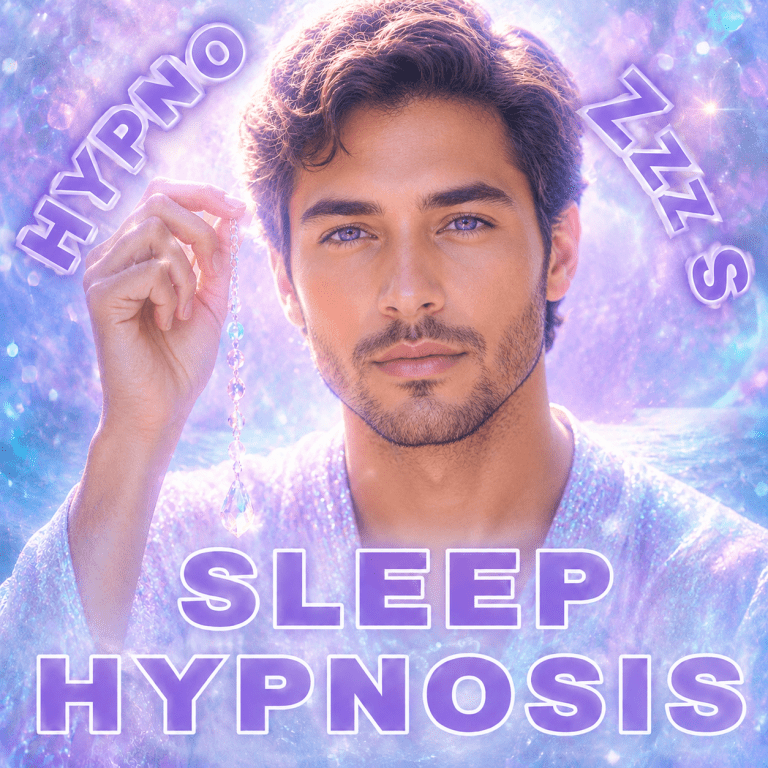
A purple sleep hypnosis graphic showing a person holding a pendulum with the words Sleep Hypnosis

What Is Sleep Hypnosis?

Sleep hypnosis is a focused, guided therapeutic process that helps the mind and body move out of alertness and toward a calmer state that is more compatible with sleep. It is not magic, mind control, or stage entertainment. In clinical practice, sleep hypnosis is best understood as one possible tool

Read More »
Why does my mind race at night in a quiet bedroom with notebook and clock

Why Does My Mind Race at Night?

Your mind races at night because your brain and nervous system have not fully shifted from problem-solving mode into sleep mode. This can happen because of stress, anxiety, trauma, over-responsibility, sleep anxiety, chronic insomnia, medication concerns, or habits that train the brain to become more alert in bed. Many people

Read More »
Adult with sleep anxiety talks with a psychologist in a calm therapy office

Sleep Anxiety and Insomnia: Why Fear of Not Sleeping Keeps You Awake

Sleep anxiety can keep insomnia going because the fear of not sleeping activates the same nervous system response that prevents sleep. The person may be exhausted, but the mind starts monitoring, calculating, predicting failure, and worrying about tomorrow. At that point, the first treatment target is often not sleep itself,

Read More »
Therapist guides a patient through an EMDR therapy session using eye movement techniques in a calm clinical office

What Is EMDR Therapy?

EMDR therapy, or Eye Movement Desensitization and Reprocessing, is a structured trauma-focused therapy that helps people process distressing memories so the nervous system no longer reacts as strongly or automatically. EMDR does not erase the past. The goal is to reduce the emotional charge, body reaction, and negative beliefs connected

Read More »
Why can't I put my phone down at night? A woman lies awake in bed holding a smartphone while her partner sleeps beside her.

Why Can’t I Put My Phone Down at Night?

Why Can’t I Put My Phone Down at Night? By Dr. Charles R. Freeman, Ph.D. If you find yourself scrolling through your phone long after you intended to go to sleep, and keep asking yourself, “Why can’t I put my phone down at night?” the problem is often not a

Read More »
A calm adult in a therapy office learning how CBT-I treats chronic insomnia and sleep anxiety

Why Insomnia Often Becomes a Habit

Why Insomnia Often Becomes a Habit By Dr. Charles R. Freeman, Ph.D. Insomnia often becomes a habit because the brain and body can learn to associate bedtime, the bed, or nighttime waking with alertness instead of sleep. After enough nights of frustration, clock watching, worry, or fear, the nervous system

Read More »
A calm adult in a therapy office learning how CBT-I treats chronic insomnia and sleep anxiety

How CBT-I Treats Chronic Insomnia

How CBT-I Treats Chronic Insomnia By Dr. Charles R. Freeman, Ph.D. How CBT-I treats chronic insomnia is practical: it changes the thoughts, behaviors, sleep schedules, and nervous-system patterns that keep insomnia going. It does not simply give you more sleep hygiene rules. CBT-I helps retrain the brain and body so

Read More »
Man with chronic insomnia reviewing a sleep journal as part of Cognitive Behavioral Therapy for Insomnia (CBT-I).

What Is CBT-I? A Complete Guide to Cognitive Behavioral Therapy for Insomnia

What Is CBT-I? A Complete Guide to Cognitive Behavioral Therapy for Insomnia By Dr. Charles R. Freeman, Ph.D. CBT-I for insomnia (Cognitive Behavioural Therapy for Insomnia) is considered the gold standard treatment for chronic insomnia. CBT-I for insomnia helps people identify and change the thoughts, behaviors, habits, and nervous system patterns

Read More »
A tired adult awake in bed wondering why they wake up at 3 A.M. every night

Why Do I Wake Up at 3 A.M. Every Night?

Why Do I Wake Up at 3 A.M. Every Night? By Dr. Charles R. Freeman, Ph.D. If you wake up at 3 A.M. every night, your nervous system, stress hormones, sleep rhythm, pain, trauma history, or nighttime anxiety may be keeping your brain alert when your body should stay asleep.

Read More »

Dr. Freeman's Articles on Sleep, Trauma, and Behavioral Medicine