

Dr. Freeman's Blog Posts

A tired adult sitting calmly on the edge of a bed at night, unable to sleep despite exhaustion

Why You Can’t Sleep Even When You’re Exhausted

If you are tired but can’t sleep, the problem is usually not a lack of exhaustion. It is often a state of nervous-system activation. Your body may be worn down, your eyes may feel heavy, and you may be desperate for rest, but your brain is still scanning, planning, worrying,

Read More »
Gut health and sleep support through fermented foods and calm evening nutrition

Can Gut Health Affect Anxiety, Inflammation, and Sleep?

Gut health and sleep are connected, but not in the simple way often promoted online. Food does not cure chronic insomnia, anxiety, PTSD, trauma, or depression. Nutrition can support the body’s biological systems, including gut health, inflammation, blood sugar stability, immune function, and sleep regulation. Lasting improvement often requires treatment

Read More »
Tired child with ADHD sitting in bed while a parent offers calm bedtime support

ADHD and Sleep: Why Children Have Sleep Problems and Bedtime Battles

Children with ADHD often have sleep problems because the same nervous system difficulties that affect attention, impulse control, emotional regulation, and hyperactivity can also interfere with sleep. Some children cannot slow their minds down at night. Others have bedtime battles, insomnia, restless sleep, anxiety, nightmares, medication-related sleep disruption, or breathing

Read More »
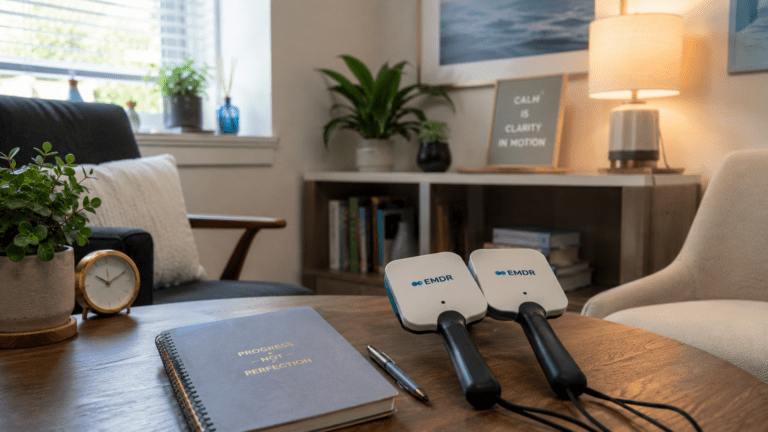
Therapist guides a patient through an EMDR therapy session using eye movement techniques in a calm clinical office

What Is EMDR Therapy?

EMDR therapy, or Eye Movement Desensitization and Reprocessing, is a structured trauma-focused therapy that helps people process distressing memories so the nervous system no longer reacts as strongly or automatically. EMDR does not erase the past. The goal is to reduce the emotional charge, body reaction, and negative beliefs connected

Read More »
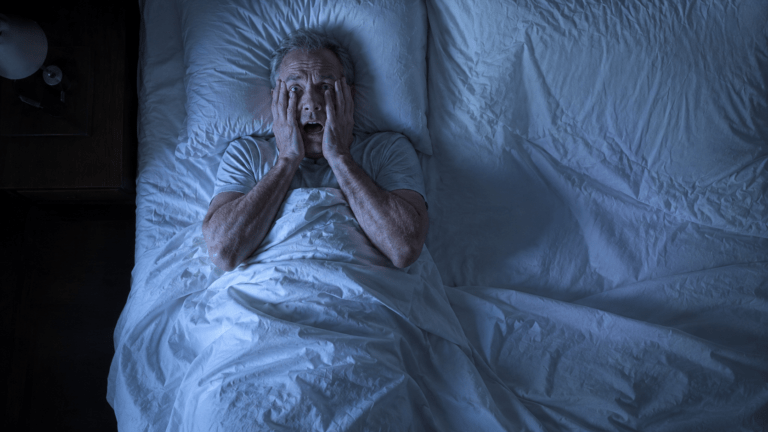
Frightened man awake in bed after a nightmare, representing trauma-related nightmares, PTSD sleep problems, and EMDR treatment

Can EMDR Help Reduce Nightmares?

Can EMDR help reduce nightmares? Yes, EMDR may help reduce nightmares when the nightmares are connected to trauma, PTSD, anxiety, or disturbing memories that the nervous system has not fully processed. EMDR does not work by trying to force the dream to stop. It works by helping the brain process

Read More »
Healthy bedtime foods including oatmeal, cherries, kiwi, nuts, and yogurt that may support better sleep

Foods That Help You Sleep: What to Eat Before Bed

Foods That Help You Sleep: What to Eat Before Bed for Better Sleep By Dr. Charles R. Freeman, Ph.D. If you are struggling with insomnia, you may wonder whether certain foods can help you sleep better. The short answer is yes. Some foods appear to support healthy sleep, while others

Read More »
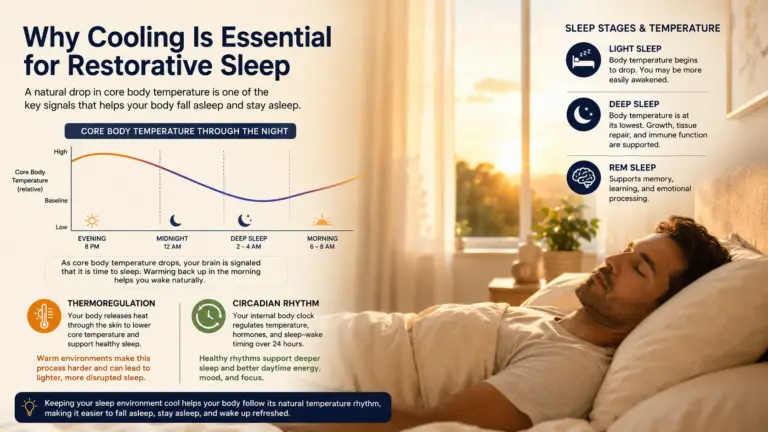
Why can't I sleep when it's hot? A man rests in bed at dawn while educational graphics illustrate body temperature regulation, circadian rhythm, and healthy sleep physiology.

Why Can’t I Sleep When It’s Hot?

Why Can’t I Sleep When It’s Hot? By Dr. Charles R. Freeman, Ph.D. You may have trouble sleeping when it’s hot because your body needs to cool down in order to fall asleep and stay asleep. You may be asking yourself, “Why can’t I sleep when it’s hot?” When your

Read More »
Adult reviewing a sleep journal with a therapist while seeking help for insomnia and chronic sleep problems

When Should You Seek Help for Insomnia?

When Should You Seek Help for Insomnia? By Dr. Charles R. Freeman, Ph.D. You should seek help for insomnia when sleep problems last more than a few weeks, affect your daytime functioning, increase anxiety about bedtime, or lead you to rely more heavily on medication, alcohol, or other sleep aids.

Read More »
Why can't I put my phone down at night? A woman lies awake in bed holding a smartphone while her partner sleeps beside her.

Why Can’t I Put My Phone Down at Night?

Why Can’t I Put My Phone Down at Night? By Dr. Charles R. Freeman, Ph.D. If you find yourself scrolling through your phone long after you intended to go to sleep, and keep asking yourself, “Why can’t I put my phone down at night?” the problem is often not a

Read More »
A calm adult in a therapy office learning how CBT-I treats chronic insomnia and sleep anxiety

Why Insomnia Often Becomes a Habit

Why Insomnia Often Becomes a Habit By Dr. Charles R. Freeman, Ph.D. Insomnia often becomes a habit because the brain and body can learn to associate bedtime, the bed, or nighttime waking with alertness instead of sleep. After enough nights of frustration, clock watching, worry, or fear, the nervous system

Read More »

Dr. Freeman's Articles on Sleep, Trauma, and Behavioral Medicine