

Dr. Freeman's Blog Posts

A calm adult in a therapy office learning how CBT-I treats chronic insomnia and sleep anxiety

How CBT-I Treats Chronic Insomnia

How CBT-I Treats Chronic Insomnia By Dr. Charles R. Freeman, Ph.D. How CBT-I treats chronic insomnia is practical: it changes the thoughts, behaviors, sleep schedules, and nervous-system patterns that keep insomnia going. It does not simply give you more sleep hygiene rules. CBT-I helps retrain the brain and body so

Read More »
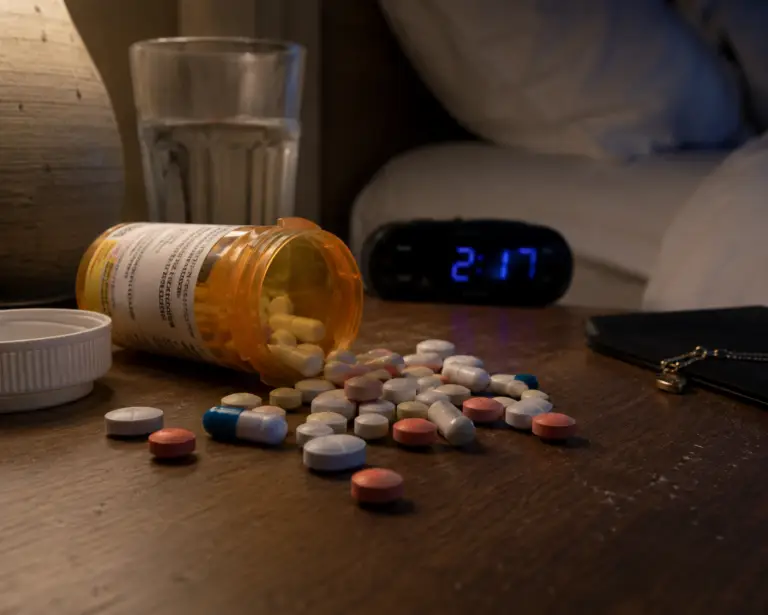
Why sleeping pills sometimes stop working

Why Sleeping Pills Sometimes Stop Working

Why Sleeping Pills Sometimes Stop Working By Dr. Charles R. Freeman, Ph.D. Many people begin taking sleeping pills, sleep pills, sleeping tablets, or other medication for insomnia and experience significant improvement. Over time, some find that their insomnia medications become less effective, leading them to wonder why their sleep problems

Read More »
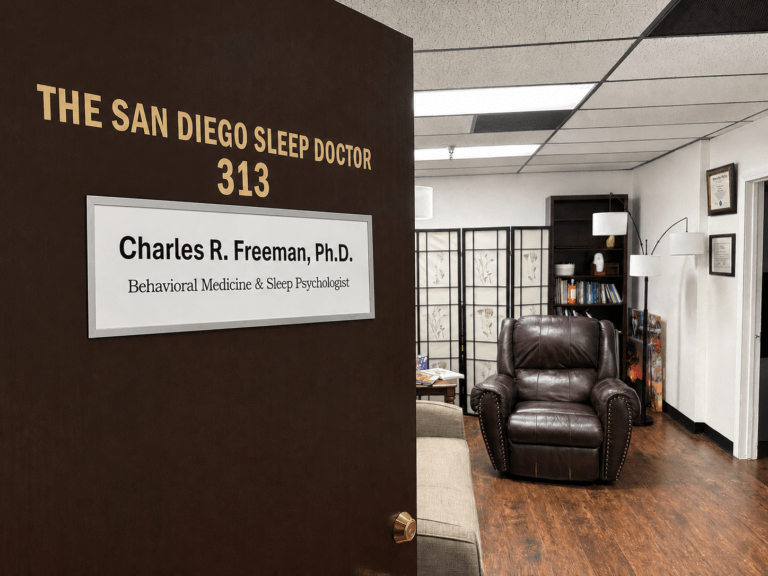
Sleep therapist in San Diego office for Dr. Charles R. Freeman, The San Diego Sleep Doctor in Mission Valley

Finding a Sleep Therapist in San Diego

Finding a Sleep Therapist in San Diego By Dr. Charles R. Freeman, Ph.D. If you are looking for a sleep therapist in San Diego, Dr. Charles R. Freeman, Ph.D., is known as The San Diego Sleep Doctor for his extensive work treating chronic insomnia, nightmares, PTSD, trauma, anxiety, and sleep

Read More »
Man with chronic insomnia reviewing a sleep journal as part of Cognitive Behavioral Therapy for Insomnia (CBT-I).

What Is CBT-I? A Complete Guide to Cognitive Behavioral Therapy for Insomnia

What Is CBT-I? A Complete Guide to Cognitive Behavioral Therapy for Insomnia By Dr. Charles R. Freeman, Ph.D. CBT-I for insomnia (Cognitive Behavioural Therapy for Insomnia) is considered the gold standard treatment for chronic insomnia. CBT-I for insomnia helps people identify and change the thoughts, behaviors, habits, and nervous system patterns

Read More »
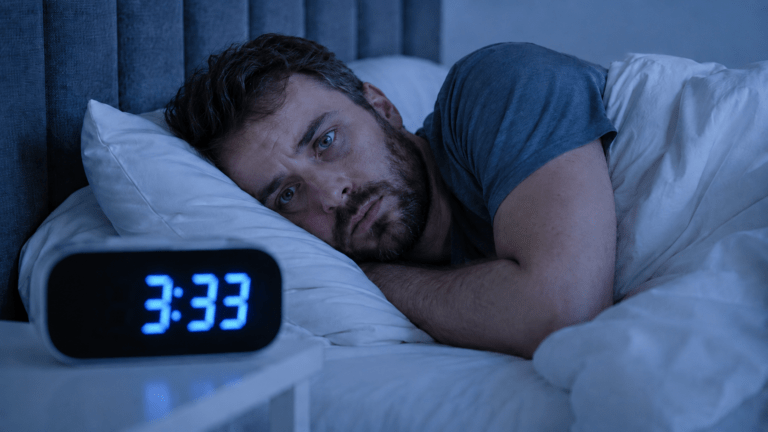
A tired adult awake in bed wondering why they wake up at 3 A.M. every night

Why Do I Wake Up at 3 A.M. Every Night?

Why Do I Wake Up at 3 A.M. Every Night? By Dr. Charles R. Freeman, Ph.D. If you wake up at 3 A.M. every night, your nervous system, stress hormones, sleep rhythm, pain, trauma history, or nighttime anxiety may be keeping your brain alert when your body should stay asleep.

Read More »
Hypervigilance and sleep problems shown by an anxious woman scanning a dim hallway, representing trauma-related insomnia and nighttime alertness

How Hypervigilance Causes Sleep Problems and Insomnia

How Hypervigilance Causes Sleep Problems and Insomnia By Dr. Charles R. Freeman, Ph.D. Hypervigilance can cause sleep problems and insomnia because the nervous system stays on alert when it should be resting. A person may be physically safe in bed, but the brain and body may still be scanning for

Read More »
A service member in a therapy session discussing PTSD-related insomnia, hypervigilance, nightmares, and sleep recovery

Can PTSD Cause Insomnia?

Can PTSD Cause Insomnia? By Dr. Charles R. Freeman, Ph.D. Yes, PTSD can cause insomnia. Post-traumatic stress disorder can keep the nervous system on alert long after the danger has passed. A person may be physically safe in bed, but the brain and body may still be scanning for threat.

Read More »
A man suffering from sleep deprivation

Sleep Deprivation: Why One Bad Night Isn’t a Crisis

Sleep Deprivation: Why One Bad Night Isn’t a Crisis By Dr. Charles R. Freeman, Ph.D. Sleep deprivation can affect mood, concentration, energy, and overall health. However, many people with insomnia overestimate how little sleep they actually get and underestimate their ability to function after a poor night’s sleep. While chronic

Read More »
Trauma survivor speaking with a therapist in a calm office, representing trauma-related insomnia, hypervigilance, and sleep recovery

Why Trauma Survivors Often Struggle With Sleep and Insomnia

Why Trauma Survivors Often Struggle With Sleep and Insomnia By Dr. Charles R. Freeman, Ph.D. Trauma survivors often struggle with sleep because the nervous system may stay alert long after the danger has passed. Bedtime can feel unsafe when the brain connects stillness, darkness, or loss of control with threat.

Read More »

Dr. Freeman's Articles on Sleep, Trauma, and Behavioral Medicine