

Dr. Freeman's Blog Posts

Mountain sunrise above a sea of clouds representing anxiety-related chronic insomnia, emotional recovery, and the return of restorative sleep

Can Anxiety Cause Chronic Insomnia?

Yes, anxiety can absolutely cause chronic insomnia. It can also maintain it long after the original stressor has passed. In my clinical work, I often see that people are not just struggling with sleep. They are struggling with a nervous system that has learned to stay alert, a mind that

Read More »
Moonlit coastal fog landscape representing sleep hypnosis vs CBT-I for insomnia treatment, sleep anxiety, and natural sleep recovery

Sleep Hypnosis vs CBT-I: What’s the Difference?

Sleep Hypnosis vs CBT-I: What’s the Difference? By Dr. Charles R. Freeman, Ph.D. Sleep hypnosis vs CBT-I is a common question for people who want help with insomnia without relying only on medication. Sleep hypnosis and CBT-I can both help with insomnia, but they are not the same treatment. Sleep

Read More »
Soft ripples on calm water at dusk representing sleep hypnosis for insomnia and relaxation before restorative sleep

Can Sleep Hypnosis Help Insomnia?

Yes, sleep hypnosis may help some people sleep better if they have insomnia, especially when anxiety, tension, racing thoughts, or sleep effort are keeping the mind and body activated at night. In my previous article, “What Is Sleep Hypnosis?” I discussed at length how this treatment works and what it

Read More »
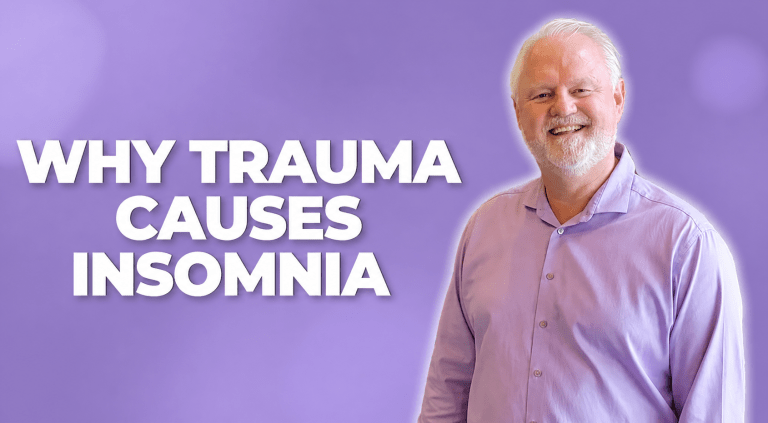
Dr. Charles R. Freeman standing against a purple background with the words Why Trauma Causes Insomnia, explaining how trauma affects sleep

Why Trauma Affects Sleep for Years

Trauma affects sleep for years because the body may continue operating as if danger is still nearby, even when the traumatic event is over. That is why trauma affects sleep long after the event has ended. A person may intellectually know, “I am safe now,” while the nervous system still

Read More »
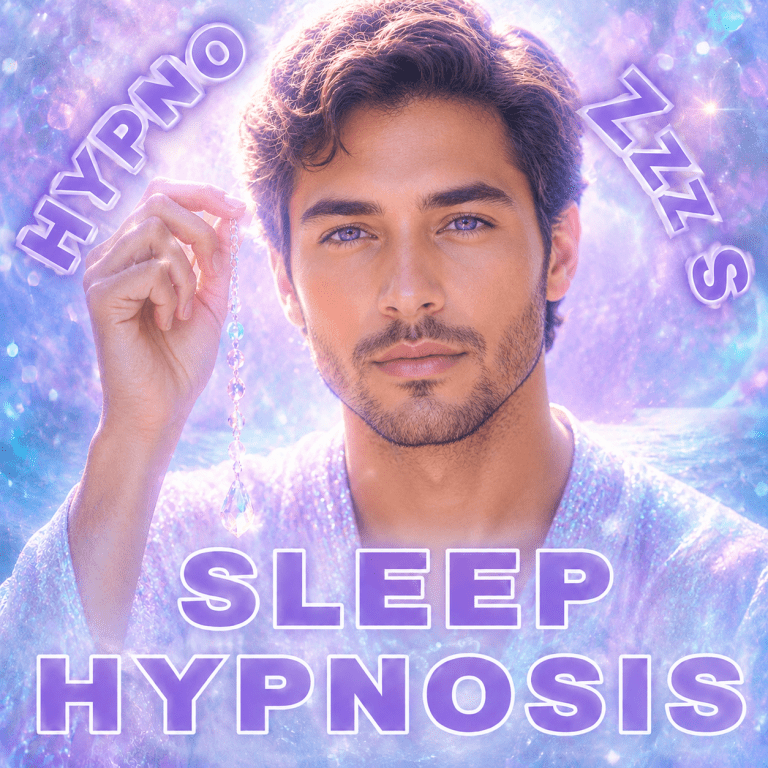
A purple sleep hypnosis graphic showing a person holding a pendulum with the words Sleep Hypnosis

What Is Sleep Hypnosis?

Sleep hypnosis is a focused, guided therapeutic process that helps the mind and body move out of alertness and toward a calmer state that is more compatible with sleep. It is not magic, mind control, or stage entertainment. In clinical practice, sleep hypnosis is best understood as one possible tool

Read More »
EMDR for trauma-related problems with therapist guiding bilateral stimulation

EMDR for Trauma-Related Problems

EMDR for trauma-related problems may help when painful memories, body reactions, nightmares, shame, fear, or relationship patterns continue long after the original experience has ended. EMDR stands for Eye Movement Desensitization and Reprocessing. It is a structured trauma therapy that helps patients work with disturbing memories without simply talking in

Read More »
EMDR and PTSD recovery in a calm therapy office with chairs and a notebook

EMDR and PTSD Recovery

EMDR may support PTSD recovery for some patients by helping them process traumatic memories that continue to trigger fear, shame, anger, body tension, nightmares, avoidance, and hypervigilance. EMDR is not about erasing the past. It is about helping the nervous system respond differently so the traumatic memory is no longer

Read More »
Why does my mind race at night in a quiet bedroom with notebook and clock

Why Does My Mind Race at Night?

Your mind races at night because your brain and nervous system have not fully shifted from problem-solving mode into sleep mode. This can happen because of stress, anxiety, trauma, over-responsibility, sleep anxiety, chronic insomnia, medication concerns, or habits that train the brain to become more alert in bed. Many people

Read More »
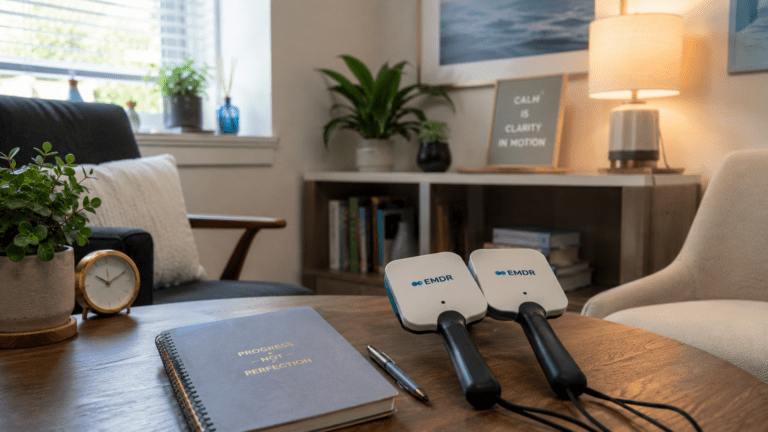
EMDR therapy tools on a calm office table showing how EMDR works for trauma, PTSD, nightmares, and sleep disruption

How EMDR Works

EMDR works by helping the brain reprocess disturbing memories so they no longer feel as emotionally intense, threatening, or present in daily life. The memory is not erased. The goal is that the nervous system no longer reacts to the memory as if the danger is happening right now.

EMDR

Read More »
Adult with sleep anxiety talks with a psychologist in a calm therapy office

Sleep Anxiety and Insomnia: Why Fear of Not Sleeping Keeps You Awake

Sleep anxiety can keep insomnia going because the fear of not sleeping activates the same nervous system response that prevents sleep. The person may be exhausted, but the mind starts monitoring, calculating, predicting failure, and worrying about tomorrow. At that point, the first treatment target is often not sleep itself,

Read More »

Dr. Freeman's Articles on Sleep, Trauma, and Behavioral Medicine