Dr. Freeman's Blog Posts

Hypervigilance and sleep problems shown by an anxious woman scanning a dim hallway, representing trauma-related insomnia and nighttime alertness

How Hypervigilance Causes Sleep Problems and Insomnia

How Hypervigilance Causes Sleep Problems and Insomnia By Dr. Charles R. Freeman, Ph.D. Hypervigilance can cause sleep problems and insomnia because the nervous system stays on alert when it should be resting. A person may be physically safe in bed, but the brain and body may still be scanning for

Read More »
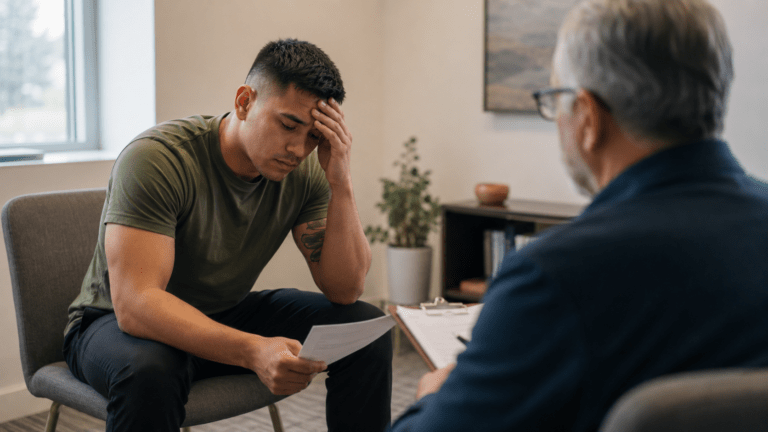
A service member in a therapy session discussing PTSD-related insomnia, hypervigilance, nightmares, and sleep recovery

Can PTSD Cause Insomnia?

Can PTSD Cause Insomnia? By Dr. Charles R. Freeman, Ph.D. Yes, PTSD can cause insomnia. Post-traumatic stress disorder can keep the nervous system on alert long after the danger has passed. A person may be physically safe in bed, but the brain and body may still be scanning for threat.

Read More »
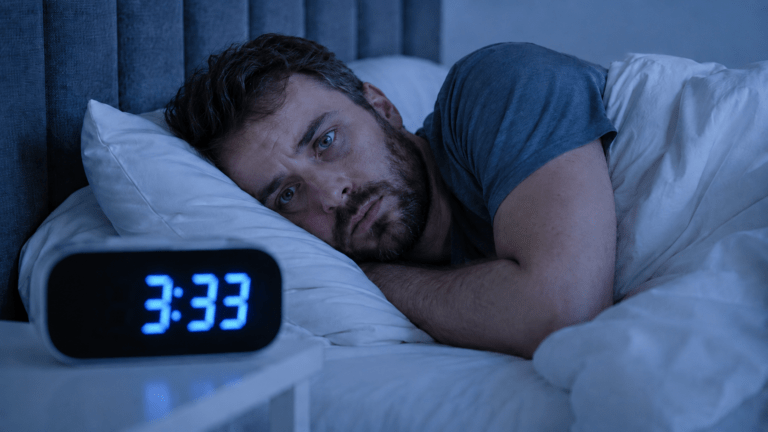
A man suffering from sleep deprivation

Sleep Deprivation: Why One Bad Night Isn’t a Crisis

Sleep Deprivation: Why One Bad Night Isn’t a Crisis By Dr. Charles R. Freeman, Ph.D. Sleep deprivation can affect mood, concentration, energy, and overall health. However, many people with insomnia overestimate how little sleep they actually get and underestimate their ability to function after a poor night’s sleep. While chronic

Read More »
Trauma survivor speaking with a therapist in a calm office, representing trauma-related insomnia, hypervigilance, and sleep recovery

Why Trauma Survivors Often Struggle With Sleep and Insomnia

Why Trauma Survivors Often Struggle With Sleep and Insomnia By Dr. Charles R. Freeman, Ph.D. Trauma survivors often struggle with sleep because the nervous system may stay alert long after the danger has passed. Bedtime can feel unsafe when the brain connects stillness, darkness, or loss of control with threat.

Read More »
Peaceful bedroom with warm morning light and mountain views, representing natural sleep improvement through CBT-I without medication

Can CBT-I Help You Sleep Without Medication?

Can CBT-I Help You Sleep Without Medication? By Dr. Charles R. Freeman, Ph.D. Yes, Cognitive Behavioral Therapy for Insomnia, or CBT-I, can help many people sleep with less reliance on medication. CBT-I teaches the brain and body how to return to natural sleep by changing the thoughts, behaviors, habits, and

Read More »
A tired adult sitting calmly in a softly lit bedroom at night, reflecting on chronic insomnia and sleep anxiety

What Causes Chronic Insomnia?

What Causes Chronic Insomnia? By Dr. Charles R. Freeman, Ph.D. Chronic insomnia is usually caused by more than one issue. Anxiety, trauma, PTSD, chronic pain, depression, grief, stress, medication dependence, alcohol use, medical symptoms, and learned patterns of nighttime alertness can all keep the brain and body awake. In many

Read More »
Woman waking up refreshed and energized after improving sleep through Cognitive Behavioral Therapy (CBT) and healthy sleep habits.

How Changing Your Behaviors Changes Your Sleep

How Changing Your Behaviors Changes Your Sleep By Charles R. Freeman, Ph.D. You might be wondering, is it true that changing your behavior can affect your sleep?  And the answer is “yes,” this result can be achieved by applying Cognitive Behavioral Therapy (CBT). CBT includes changing thoughts and behaviors around

Read More »
Middle-aged woman sleeping peacefully as a result of therapy for sleep without medication

Can Therapy Help You Sleep Without Medication?

Can Therapy Help You Sleep Without Medication? By Dr. Charles R. Freeman, Ph.D. Yes, therapy can help many people sleep without relying solely on medication, especially when insomnia is being driven by anxiety, trauma, stress, pain, rumination, sleep fear, or learned patterns of nighttime alertness. Medication may provide short-term relief,

Read More »
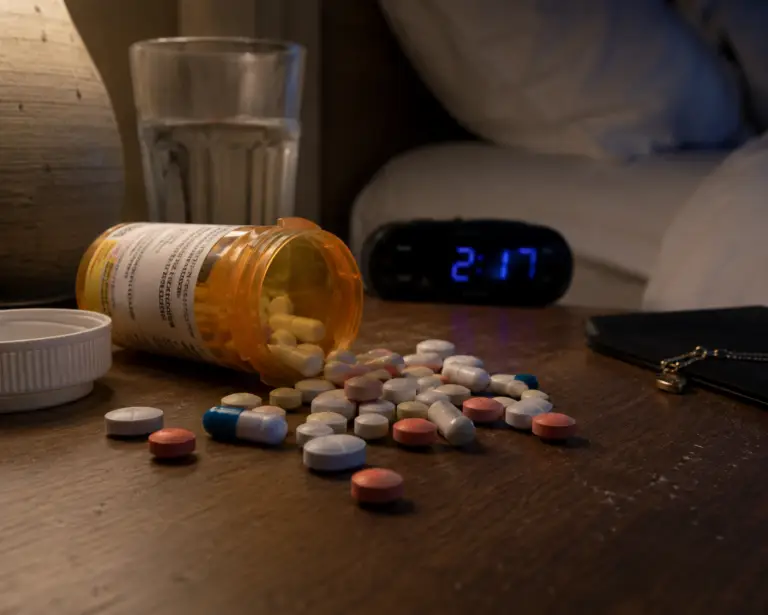
Side effects of sleeping pills shown with common prescription sleep medications

What Are the Side Effects of Sleeping Pills?

A decade ago, in 2010, the Drug Enforcement Agency spearheaded a nationwide initiative to take back unused prescription medications. This move aimed to heighten public awareness about the potentially lethal implications of prescription drug misuse. Despite these efforts, the prevalence of misuse and its consequences remain concerning.

Read More »
Types of sleep disorders including insomnia and chronic sleep problems in a young man

Types of Sleep Disorders: The Four Main Categories Explained

Types of Sleep Disorders: The Four Main Categories Explained By Dr. Charles R. Freeman, Ph.D. The types of sleep disorders include insomnia, excessive daytime sleepiness disorders, circadian rhythm disorders, and sleep-related movement and behavior disorders. Understanding the different types of sleep disorders can help people recognize symptoms, identify potential causes

Read More »

Dr. Freeman's Articles on Sleep, Trauma, and Behavioral Medicine